How the Right Meeting Space Can Close More Deals and Win Better Clients

A deal is rarely won only by logic. It is won by momentum, trust, and the feeling that the next step is safe. That is why the meeting space matters more than most teams admit. The same proposal, delivered by the same person, can land completely differently depending on the room. In one environment, people lean in, ask confident questions, and move toward agreement. In another, they lose focus, start checking phones, postpone decisions, and quietly downgrade the opportunity.
Book a meeting room that helps you close
Host your next pitch, negotiation, or client workshop in a professional meeting space designed for focus, privacy, and flawless presentations.
Book a meeting roomChoosing the right room by meeting type (a practical framework)
Most teams choose meeting rooms based on availability and capacity. That is understandable, but it leaves money on the table. The room should be chosen based on the decision you want at the end of the meeting.
Different meetings create different psychological needs. A pitch meeting is about trust and excitement. A negotiation meeting is about safety and clarity. A workshop is about creativity and shared thinking. A training session is about engagement and authority. When the room supports the specific meeting type, the conversation becomes easier and outcomes become more predictable.
Use this framework to match room features to the decision moment you are trying to create.
Pitch meeting with a new client
A first pitch is not only about what you offer. It is about whether the client believes you are capable, professional, and worth the risk. You are often being compared against alternatives, and the client’s stakeholders may be looking for reasons to delay. Your meeting environment should remove doubt and create confidence.
Core needs for a pitch meeting:
- An impressive, professional atmosphere that supports premium perception
- Flawless presenting technology so your delivery feels smooth and controlled
- Comfort that keeps attention high from introduction to next steps
- Zero distractions so the conversation stays focused on value and outcomes
The goal of the room choice is not to “look fancy.” It is to make trust feel natural. A space that signals professionalism and readiness helps the client imagine working with you. That imagination is a major part of closing new business.
Your meeting should be designed to produce these outcomes:
- Confidence in your team’s competence and execution standards
- Clarity about what you do, how you do it, and why it matters
- A clear next step, such as a proposal request, a scoping call, or stakeholder introduction
A well-chosen meeting room supports the emotional arc of the pitch: calm at the start, engagement in the middle, and decisive clarity at the end.
Insight: First impressions drive pricing power
Clients rarely negotiate purely on numbers. They negotiate based on perceived risk. A professional meeting room with strong lighting, acoustic privacy, and reliable technology subtly signals that your team operates at a higher standard. That signal reduces perceived delivery risk, which directly improves your ability to hold pricing, resist discounting, and move toward faster approvals. Teams that consistently meet in premium meeting rooms in Riyadh often close at higher rates simply because the environment reinforces confidence before the proposal is even discussed.
Negotiation and closing meeting
Closing meetings demand a different environment than pitch meetings. The client is no longer only evaluating value. They are evaluating risk. They are testing details. They are looking for certainty that nothing will go wrong after signing.
This is where privacy, comfort, and stability matter most.
Core needs for negotiation and closing:
- Acoustic privacy so sensitive numbers and terms can be discussed openly
- Comfortable seating that supports long discussion without fatigue
- A stable environment with controlled temperature and minimal interruptions
- A balanced layout that supports eye contact and fairness across parties
The goal here is agreement. Not just verbal agreement, but agreement that can survive internal review. That requires clarity and confidence, not pressure. A professional meeting room enables a calm tone, which makes tough topics easier to handle.
Outcomes your space should support:
- Clear alignment on scope, deliverables, and responsibilities
- Confident negotiation of pricing and payment terms
- Agreement on next steps, including contract review, signature timing, and kickoff planning
When the room supports focus and discretion, closing feels less like a confrontation and more like a professional alignment.
Strategy workshop or internal alignment before the pitch
Not every deal is won in front of the client. Many deals are won before you enter the room, because the team arrives aligned, prepared, and clear about the narrative. Internal alignment meetings are where you refine positioning, anticipate objections, and clarify responsibilities.
These meetings need space that supports thinking, not just talking.
Core needs for strategy and alignment:
- A room that feels calm and intentional, enabling deeper focus
- Collaboration tools that support mapping ideas and refining structure
- Enough space to work through scenarios, materials, and messaging
- A layout that encourages contribution from the whole team, not only the loudest voice
The goal is clarity and consensus. When internal alignment is strong, your client-facing meeting becomes smoother, your answers become sharper, and objections are handled with confidence. This reduces friction in the pitch and increases the likelihood of reaching a next-step commitment quickly.
A strong room choice supports:
- Visual planning of the pitch flow and decision points
- Clear division of speaking roles and responsibilities
- Real-time iteration on messaging and materials
- A defined follow-up plan that ensures speed after the meeting
When teams do this well, the client experiences the pitch as cohesive and confident, which increases trust.
Training session, workshop, or partner event
Workshops and training sessions are credibility moments. They show whether you can lead a group, communicate clearly, and create structured outcomes. They also create stronger relationships because participants spend more time with your team and experience your working style directly.
These sessions have practical demands that smaller meetings do not.
Core needs for trainings and workshops:
- Capacity that matches the group size without feeling cramped
- Setup flexibility to support different formats, from presentations to group work
- Audio/visual support that ensures everyone can hear and see clearly
- A reception flow that makes arrivals smooth and professional
The goal is engagement and structured outcomes. Participants should leave with clear conclusions, not just “interesting discussion.” A room that supports visibility, clarity, and comfort helps maintain energy over longer sessions, which improves results.
A well-suited space supports:
- Clear presenting without visibility issues
- Group exercises and interactive discussion
- Smooth breaks and transitions
- A professional tone that reinforces authority and expertise
If you want to win better clients, workshops can be powerful because they demonstrate value in real time. But the space must support that experience. Otherwise, even good content can feel heavy and disorganized.
Insight: Hybrid meetings are now decision-critical
In modern deal cycles, the final decision maker is often not physically in the room. CFOs, legal leads, and regional executives increasingly join remotely for key moments. Meeting rooms with poor video conferencing quietly weaken deal momentum because remote stakeholders feel disconnected and less confident approving next steps. Spaces like R House that provide strong video, audio, and screen sharing ensure that hybrid participants experience the meeting with the same clarity and authority as those on site, which dramatically increases the speed and reliability of approvals.
R House meeting rooms in Riyadh: options designed for real business outcomes
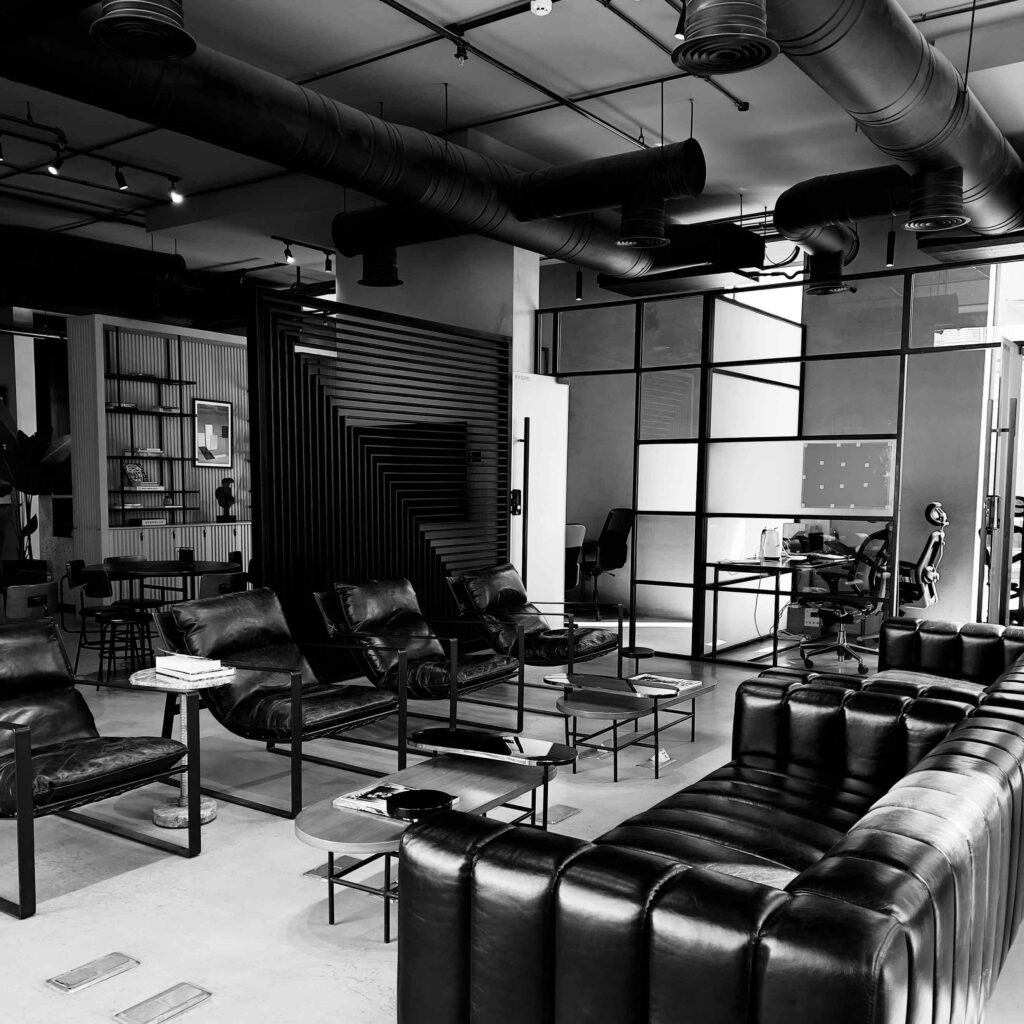
R House is a progressive coworking space in central Riyadh, designed for innovators, creators, leaders, and entrepreneurs who value focus, collaboration, and modern working standards. While many coworking locations treat meeting rooms as a basic add-on, R House positions its meeting spaces as part of a complete professional environment, with bookable rooms, technology support, and the kind of setting that helps teams show up at their best.
The key advantage is simple: you can choose the room that matches your meeting type and your decision goal, rather than forcing every meeting into the same setup. That flexibility matters when your meetings range from executive negotiations to client presentations to workshops.
Choose the right space for every client meeting
From boardrooms and meeting rooms to workshops and creative studios, R House offers flexible spaces that support real business outcomes.
View meeting spaces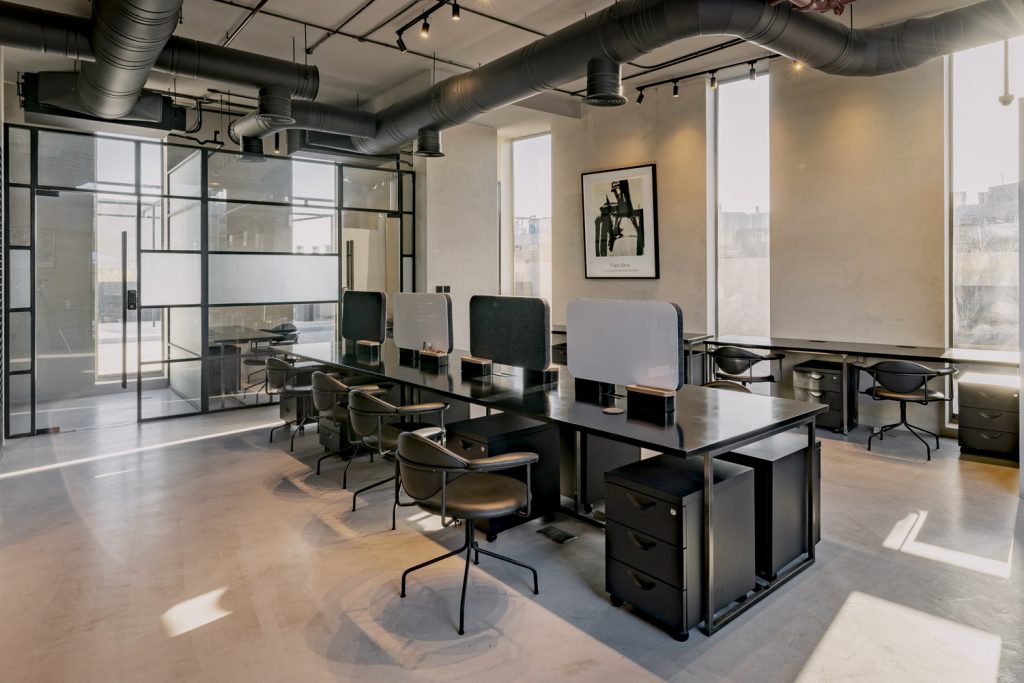
The Boardroom (up to 8) for formal decision meetings
The Boardroom is designed for sit-down meetings where the goal is decision-making. With seating for up to eight people, it suits the kind of conversations where details matter and where stakeholders expect a professional setting.
Best for:
- Negotiations and closing discussions
- Executive updates and leadership-level meetings
- Sensitive conversations involving terms, pricing, or confidentiality
- Deal closing moments where tone and professionalism influence trust
A room like this supports the negotiation dynamic in a practical way. It creates a contained environment where participants can focus, maintain eye contact, and move through complex topics without distractions. The boardroom format also helps when senior stakeholders are present, because it matches expectations of professionalism and discretion.
It is fitted with essential conferencing technology, supporting meetings where remote stakeholders may need to join without disrupting flow.
The Meeting Room (up to 6) for day-to-day client sessions
Not every client meeting needs the formality of a boardroom. Many meetings are working sessions: discovery conversations, weekly reviews, smaller presentations, and practical discussions that keep projects moving.
The Meeting Room seats up to six people, making it ideal for tighter, focused conversations where you want clarity without unnecessary formality.
Best for:
- Discovery calls and first-stage client conversations
- Weekly client check-ins and status reviews
- Smaller presentations and proposal walkthroughs
- Working meetings where collaboration and note-taking matter
Like The Boardroom, it is fitted with essential conferencing technology, supporting smooth presenting and remote participation when required. The value here is efficiency. A well-sized room keeps the conversation focused, without the energy drop that can happen in oversized spaces.
The Workshop Room (up to 20) for workshops and larger group meetings
When your meeting goal is group alignment, training, or structured collaboration, you need space that supports scale without losing control. The Workshop Room is the largest of R House’s private spaces and is designed to accommodate workshops and larger group meetings.
With capacity up to 20, it is a strong fit for:
- Trainings and structured learning sessions
- Partner meetings with multiple stakeholders
- Group negotiations and alignment discussions
- Workshops where you need both presenting and interaction
A workshop room should not feel like a generic conference space. It should feel like an environment built for engagement. The advantage of a properly designed workshop space is that it supports energy and participation across the room, not only in the front row. That makes sessions more productive and outcomes more concrete.
The White Room as a “blank canvas” project space
Some client experiences require something different. Creative brands, agencies, and teams working on campaigns, product launches, or visual storytelling often need a space that feels like a blank canvas rather than a corporate boardroom.
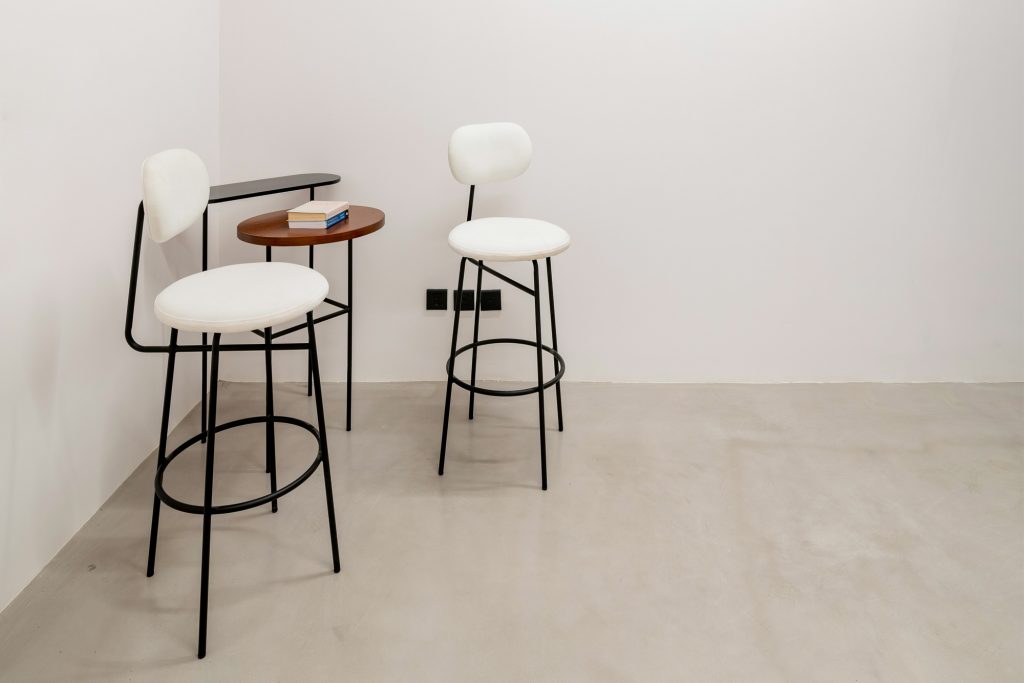
The White Room is an open, art-style studio space inspired by a “blank canvas” concept, designed to support creative use cases.
Best for:
- Creative presentations and brand workshops
- Screenings and visual reviews
- Photoshoots and content planning sessions
- Campaign reviews and concept development meetings
The strategic value of a space like this is differentiation. If you compete in markets where many providers feel similar, the meeting environment can help you stand out. A client who experiences your process in a space built for creativity will often remember the meeting more clearly, which can influence the decision later.
Tech and video conferencing across meeting spaces
Across its private meeting rooms and spaces, R House emphasizes state-of-the-art tech support and video conferencing capability. This matters because modern meetings often include remote decision-makers, cross-functional stakeholders, or partners joining from different locations.
When technology is integrated into the room experience, you reduce the risks that cause meetings to stall:
- delayed starts due to setup issues
- reduced engagement from remote participants
- broken momentum during presentations
- misunderstandings caused by unclear audio
In practical terms, this supports what deal-focused teams need most: meetings that start on time, flow smoothly, and end with clarity.
Logistics that make you look professional before the meeting even starts
Deals are influenced long before the first slide appears. Clients form impressions as soon as they walk through the door, look for your name at reception, and wait to be guided into the meeting room. These moments may feel administrative, but they are part of the client experience, and they shape how people feel about working with you.
| Logistics element | What it provides | How it supports deal outcomes |
|---|---|---|
| Front-of-house reception | Professional greeting, guest sign-in, and clear direction to meeting rooms | Creates calm, confidence, and a premium first impression that prepares clients to engage seriously |
| Fast room booking | Real-time booking via member platform, website, or app | Allows teams to move quickly when opportunities arise, protecting momentum and responsiveness |
| Room setup support | Flexible layouts for presentations, negotiations, or workshops | Ensures the physical layout matches the meeting goal, improving focus, engagement, and clarity |
| Hospitality and refreshments | Coffee, water, light snacks, and comfortable waiting areas | Builds goodwill and comfort, making it easier for clients to stay engaged and open during discussions |
If you want to explore your options in more detail, you can also schedule a tour or explore memberships to see how R House can support your client meetings, workshops, and negotiations on an ongoing basis.
Turn your next meeting into a signed deal
Meet clients in a space built for clarity, confidence, and professional impact. R House meeting rooms help conversations move faster toward yes.
Find your meeting roomFAQ – Meeting rooms in Riyadh
What meeting room sizes are available at R House in Riyadh?
R House offers private meeting spaces that seat from six up to 20 people, including The Meeting Room for up to six, The Boardroom for up to eight, The Workshop Room for larger groups, and The White Room for creative and project-based use.
Do R House meeting rooms include video conferencing and tech support?
Yes. All R House meeting rooms are equipped with essential conferencing technology and video conferencing capabilities, allowing you to host hybrid meetings with remote participants without disrupting the flow of the discussion.
How do I book meeting rooms in Riyadh at R House?
Members can book meeting rooms and project spaces through the R House member booking platform, website, or mobile app. Availability is shown in real time and bookings are subject to membership access hours.
Can I bring guests for a client meeting?
Yes. Guests are welcome for pre-scheduled meetings in meeting rooms, workshops, and project spaces for the full duration of the booking. Guests must sign in at reception and be accompanied by the hosting member.
Are meeting rooms available to all membership types?
Yes. All R House members can book meeting rooms and project spaces, subject to their membership access hours and availability. Resident members have 24/7 access, while Nomad members can book during office hours from 9 AM to 8 PM.
What if I need more meeting room hours than my plan includes?
If you exceed your included monthly meeting room hours, you can continue booking space and the additional usage will simply be added to your next invoice, ensuring your meetings are never interrupted.
Can I cancel a meeting room booking?
Yes. Meeting room bookings can be cancelled through the R House website or app up to 24 hours prior to the reservation time.
Are the meeting rooms suitable for workshops and trainings?
Yes. The Workshop Room is specifically designed for workshops, trainings, and larger group meetings, while other meeting spaces can support presentations and collaborative sessions depending on group size.
Is there parking available for meeting attendees?
Yes. R House offers both daily and monthly parking options. Guests and members can speak to the front-of-house team for access and arrangements.
Can I host a creative presentation or screening in a project-style space?
Yes. The White Room is an open, art-style project space designed for creative presentations, screenings, photoshoots, and brand or campaign reviews, giving you a flexible environment to impress clients.