Designing a Workplace That People Actually Want to Come To
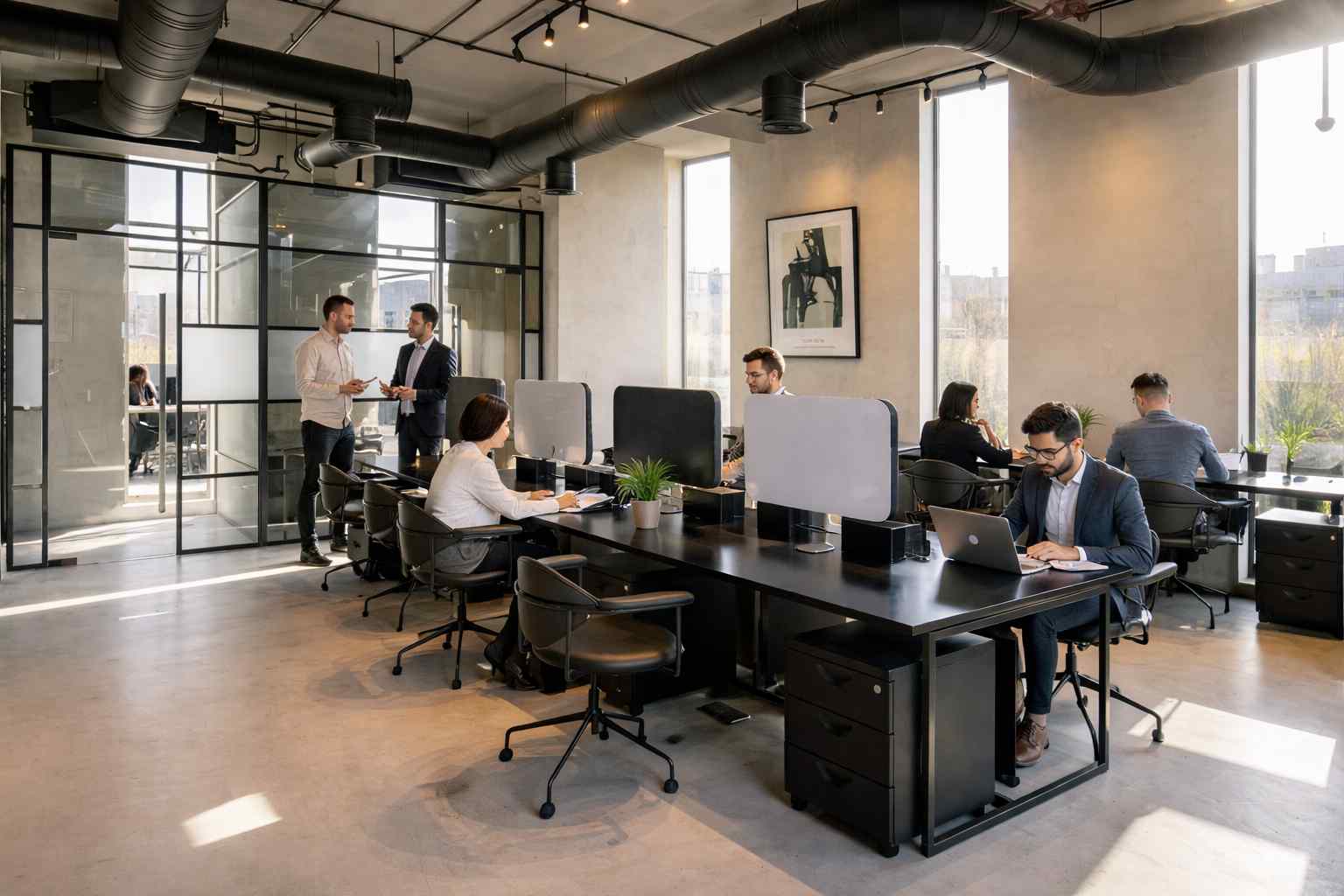
The real challenge in today’s workplace is not getting people back into the office through pressure or policy. It is earning their attendance by creating a workplace that feels genuinely valuable, consistently effective, and hard to replace with a home setup. The moment employees gained real autonomy over where and how they work, the office stopped being the default. It became a choice. And choices are made based on experience.
Design a Workplace Your Team Chooses
If your goal is to create an office people genuinely want to come to, start with a space built around collaboration, focus, and real productivity. R House in Riyadh offers flexible studios, private offices, and shared workspaces designed for modern hybrid teams.
Schedule a Tour at R HouseWhy companies want people back in the office
There are many reasons organisations want to increase office attendance, but most fall into three purpose-driven themes: collaboration, learning and development, and community building. These are not abstract ideals. They represent business-critical advantages that are difficult to replicate consistently through remote setups, even when teams have strong tools and disciplined communication habits.
The key point is this: bringing people back works best when the reason is clear, the benefits are real, and the workplace is designed to deliver those benefits reliably. If leaders want in-person work to happen two, three, or four days per week, the environment must support what those days are meant to achieve.
Collaboration: faster decisions, richer ideation, fewer miscommunications
Collaboration is one of the most common drivers behind increased office time because it influences both speed and quality of work. In-person collaboration reduces friction in ways that are subtle but powerful:
- It shortens decision cycles because stakeholders can align quickly without scheduling delays.
- It supports richer problem-solving, where ideas can be tested, challenged, refined, and built upon in real time.
- It reduces misunderstanding by providing immediate clarification and broader context, including body language and tone that often get flattened in text-based channels.
However, collaboration does not automatically happen just because people are in the same building. It happens when the space makes collaboration easy, natural, and appropriately structured. A workplace that forces every conversation into one of two extremes—either a formal meeting room or a noisy open area—will struggle to create healthy collaboration patterns.
To design for better collaboration, workplaces need a range of environments that match different collaboration modes. This is where design becomes a practical strategy rather than an aesthetic preference.
Collaboration modes the office should support
- Quick alignment moments
Short, low-prep conversations that prevent issues from growing into rework. - Deep work sessions
Longer, focused collaboration where teams build something together, not just discuss it. - Informal cross-team contact
The kind of interaction that sparks ideas and partnerships that would not emerge inside a calendar invite. - Confidential or high-stakes discussions
Sensitive topics that require privacy, stability, and reliable audio/visual conditions.
When these modes are supported properly, office time produces tangible value. When they are not, the office becomes a place where people go to do remote work from a different chair.
Learning and development: coaching moments, shadowing, onboarding, informal learning
Learning and development is often discussed in terms of training programs, but much of the learning that shapes performance happens informally. The office enables this kind of growth in ways that are difficult to reproduce remotely:
- Junior staff learn by observing how experienced teammates approach problems.
- Managers coach more naturally because they can see work unfolding and provide guidance in context.
- Onboarding becomes faster when new hires can absorb the rhythm of the team, build relationships, and ask questions without feeling like they are interrupting.
In remote setups, development can still happen, but it requires deliberate scheduling and strong documentation culture. Even then, it often misses the micro-moments of learning that come from proximity: hearing how decisions are framed, understanding how priorities are negotiated, seeing how feedback is delivered in real time.
Office design influences this more than most organisations expect. If the workplace is overly segmented into isolated private areas, learning becomes harder because visibility and access disappear. If the workplace is too open and loud, coaching becomes uncomfortable because people avoid conversations that feel public.
A strong learning environment needs balance: visibility without exposure, access without chaos, and spaces where questions can be asked without turning into formal meetings.
Practical design features that support development
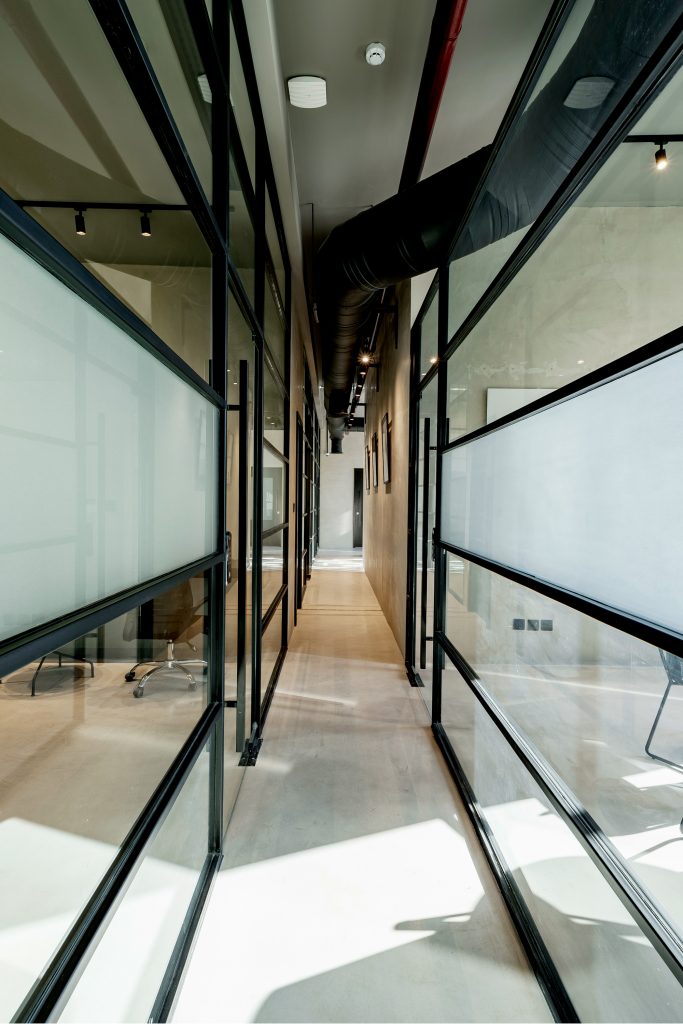
- A mix of shared team zones and smaller breakout areas for coaching conversations
- Reliable, bookable rooms for structured onboarding sessions
- Comfortable spaces for short mentoring moments that do not require a calendar invite
- Clear wayfinding and predictable “where things happen” patterns so new hires can orient quickly
Community building: belonging, culture, shared rituals, identity
Community building is often misunderstood as a “soft” goal. In reality, it influences retention, engagement, and the resilience of teams under pressure. A workplace can help people feel connected to the organisation’s identity and to one another—but only if that connection is authentic.
People return to offices not just to sit near colleagues, but to feel part of something coherent:
- A shared rhythm where collaboration feels normal rather than forced.
- Cultural cues that reinforce what the organisation values.
- Social trust that makes work smoother, feedback easier, and conflict less damaging.
Community is built through repeated, low-friction interactions: casual check-ins, shared moments, familiarity that grows over time. The office can accelerate that process. But if office attendance is framed as compliance, or if the environment feels uncomfortable or inefficient, those interactions become strained rather than energising.
A well-designed workplace makes community a natural byproduct of doing good work together. It does not try to “manufacture culture” with entertainment features. It focuses on creating the conditions where relationships form organically.
Workplace experience is the new office KPI
Workplace experience has become one of the most meaningful performance indicators a modern office can have. That may sound like a shift toward something subjective, but the opposite is true. Experience is not a design mood, a branding exercise, or a set of visual trends. It is the measurable reality of how well a workplace enables people to do their work, how consistently it supports high-quality outcomes, and how it makes employees feel about spending time there.
| Tip | What to implement | Business impact |
|---|---|---|
| 1. Design for hybrid behavior | Create distinct zones for focus, collaboration, and meetings rather than relying on one open-plan layout. | Improves productivity and makes in-office days more purposeful. |
| 2. Prioritize acoustic comfort | Install sound-absorbing materials, phone booths, and clearly defined quiet areas. | Reduces distractions and supports concentration and effective hybrid calls. |
| 3. Optimize meeting room mix | Provide more small rooms for daily syncs alongside larger spaces for workshops and strategy sessions. | Prevents booking conflicts and increases collaboration efficiency. |
| 4. Invest in reliable technology | Ensure stable Wi-Fi, consistent video conferencing tools, and simple booking systems. | Eliminates friction and improves hybrid meeting quality. |
| 5. Improve ergonomic standards | Provide adjustable chairs, appropriate desk heights, and monitor-friendly lighting. | Enhances comfort, reduces fatigue, and supports long-term performance. |
| 6. Control workspace density | Avoid oversaturation of desks and allow breathing room between workstations. | Creates a calmer environment and improves employee satisfaction. |
| 7. Maximize natural light | Position desks near daylight where possible and use layered lighting for task support. | Boosts energy levels and overall workplace wellbeing. |
| 8. Provide project collaboration zones | Include writable surfaces, flexible furniture, and shared tables for co-creation. | Encourages innovation and faster decision-making. |
| 9. Support wellbeing features | Offer outdoor access, calm corners, and practical amenities like shower rooms. | Improves retention and makes commuting feel worthwhile. |
| 10. Align design with business goals | Map every design decision to objectives such as collaboration, onboarding, creativity, and client experience. | Ensures the workplace actively supports growth and performance. |
What “workplace experience” actually means
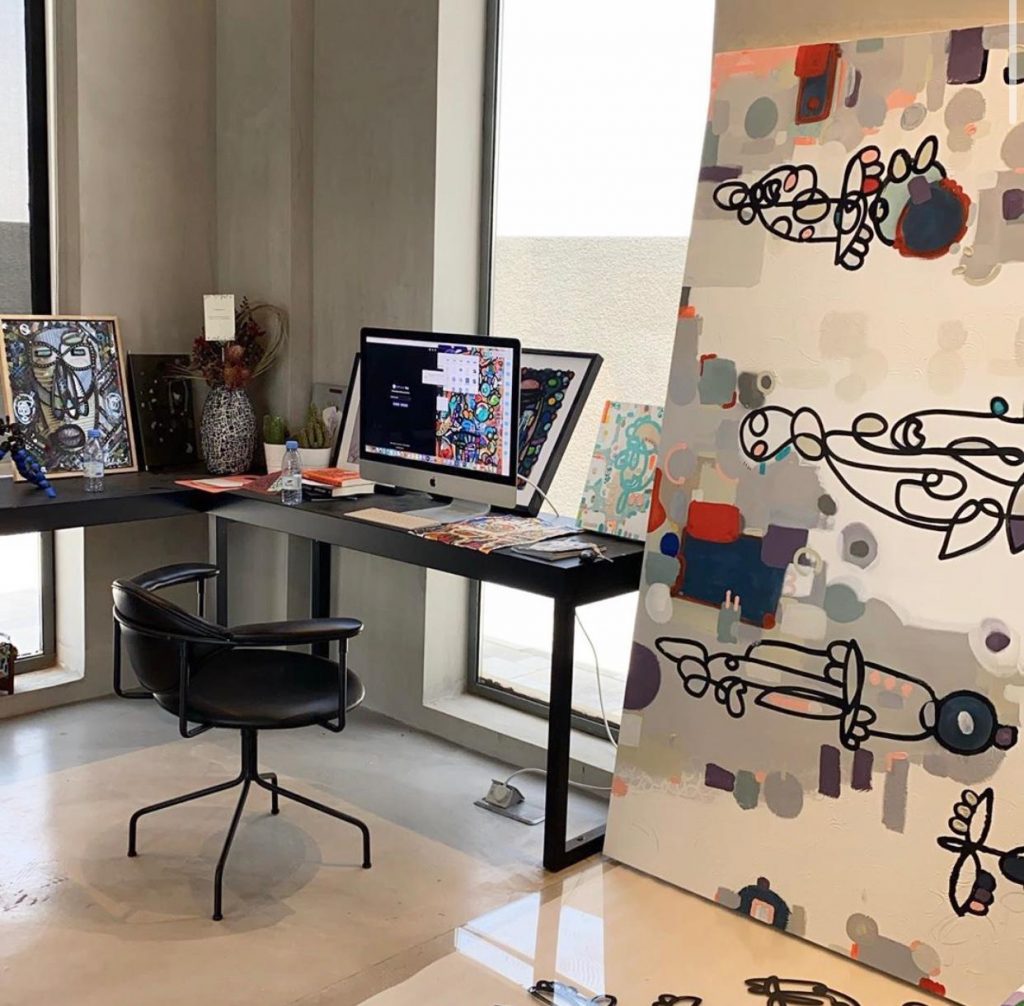
Workplace experience is the total environment created by space, systems, and behaviours, and the impact that environment has on employees’ performance and wellbeing. It is not an aesthetic trend. A workplace can look impressive and still deliver a poor experience if it interrupts focus, creates friction, or makes collaboration exhausting.
A strong workplace experience answers a simple question employees ask—often subconsciously—every time they decide where to work:
Is being here worth it today?
That question is shaped by practical realities:
- Can I focus without fighting noise and interruptions?
- Can I collaborate easily without turning everything into a formal meeting?
- Does the space support my work, or do I have to work around the space?
- Do I leave the day feeling productive and respected, or depleted and frustrated?
When workplace experience is treated as a KPI, organisations stop assuming that presence equals productivity. They measure whether the office is actually functioning as a performance asset.
What “experience” must deliver
Workplace experience is most powerful when it is designed around outcomes rather than aesthetics. There are four areas that consistently determine whether office time feels valuable.
Productivity without pain
Productivity is not only about output. It is about how hard people have to work to produce that output. A workplace that forces employees to compensate for poor ergonomics, distracting noise, or unreliable technology produces fatigue, not performance.
A productivity-supporting workplace typically delivers:
- Ergonomic reliability
Comfortable seating, appropriate desk heights, and monitor setups that reduce strain during long sessions. - Quiet zones that work in practice
Spaces designed for deep work where quiet is real, not aspirational. This often includes separation from high-traffic areas and clear behavioural norms. - Technology that does not create friction
Stable Wi-Fi, reliable video conferencing, easy access to power, and room systems that work consistently rather than occasionally. - Predictable access to the right space
The ability to find an appropriate place for focus, calls, or collaboration without wasting time searching, negotiating, or improvising.
The hidden measure here is not just productivity, but cognitive load. The best workplaces reduce the mental effort required to do normal work tasks.
Easy collaboration
Collaboration is a primary reason companies want people back in the office, but collaboration is not created by proximity alone. It is created by environments that match the way teams actually work.
Experience-driven collaboration design focuses on:
- A variety of collaboration settings
Not every collaboration moment needs a formal meeting room. Employees need places for quick alignment, project work, co-creation, and client discussions. - Clear separation between focus and collaboration areas
Collaboration zones that do not spill noise into deep-work areas and cause tension between different working styles. - Meeting spaces that match real meeting patterns
Most organisations need more small rooms than large boardrooms because day-to-day work is built on short syncs and one-on-ones. - Booking and availability that feel fair
When meeting rooms are constantly unavailable, collaboration becomes stressful, and employees avoid in-office work because it is inefficient.
A workplace that supports collaboration well does not force teams to adapt their behaviours to the space. It adapts the space to support effective behaviours.
Energy and focus
A workplace can be technically functional and still feel draining. Energy and focus are affected by environmental quality: light, acoustics, air, and movement through the space. These factors are often underestimated because they sit in the background until they are wrong.
Experience-driven design treats these factors as foundational:
- Light that supports alertness and comfort
Desk placement that maximises natural light where possible, glare control for screens, and layered lighting that adapts to tasks. - Acoustics that respect concentration
A deliberate approach to sound absorption, zoning, and call spaces. Acoustic comfort is one of the strongest predictors of whether people can work effectively in shared environments. - Air quality and thermal comfort
Stable temperatures, good ventilation, and airflow that does not create discomfort. If people feel physically uncomfortable, the office becomes a place they tolerate rather than choose. - Layout flow that reduces friction
Clear navigation, logical placement of shared resources, and a layout that reduces unnecessary interruptions and crowding.
This is where workplace experience becomes tangible. People may not describe these factors precisely, but they feel them immediately. If the office leaves employees tired, distracted, or overstimulated, attendance becomes an obligation rather than a preference.
Insight: Design Signals Leadership Priorities
Workplace design communicates more than aesthetics. It signals what leadership truly values. Overcrowded desks, unreliable meeting technology, and insufficient quiet space suggest efficiency is prioritized over employee effectiveness. In contrast, balanced density, acoustic planning, ergonomic consistency, and reliable collaboration tools demonstrate respect for performance and wellbeing. Employees interpret these signals quickly. In a hybrid era where choice exists, design becomes a visible expression of organisational intent and directly influences trust, engagement, and long-term retention.
Belonging without forcing connection
Many organisations want the office to strengthen culture and community, but employees respond badly to spaces that feel like they are designed to manufacture social interaction.
Belonging is supported when:
- There are natural opportunities for connection
Shared moments that happen as a byproduct of work, not as a performance. - Social spaces exist, but do not dominate
Areas where people can have informal conversations without disrupting those who need focus. - The workplace reflects respect
Quality materials, thoughtful details, and environments that signal that employees’ comfort and time matter. - Employees can choose their interaction level
The office supports both collaboration and solitude, both group work and individual focus.
When belonging is supported well, the workplace feels human, not controlling. People are more willing to return when the space accommodates different personalities and working styles.
Upgrade Your Hybrid Work Experience in Riyadh
From state-of-the-art meeting rooms to quiet focus zones and collaborative studios, R House combines location and experience to support high-performing teams. Explore membership options tailored to your working style and growth plans.
Explore Membership Options
Why location plus experience is a powerful combination in Riyadh
Commuting is part of the value equation
Employees do not evaluate the office only by what happens inside it. They evaluate the entire journey:
- How predictable the commute feels
- Whether the location is convenient relative to daily life and business needs
- Whether arriving feels smooth or stressful
- Whether the area supports a productive workday, including meetings and breaks
When location reduces friction, the workplace experience begins before employees even walk through the door.
Insight: The Commute ROI Equation
In hybrid work models, every commute is a calculated decision. Employees subconsciously assess whether the time, energy, and cost of traveling to the office will generate a return in productivity, collaboration, or opportunity. When the workplace consistently delivers faster decisions, smoother meetings, stronger focus, and meaningful team interaction, the commute feels justified. When it does not, attendance declines regardless of policy. Designing an office that increases the “return on commute” is one of the most overlooked but powerful levers in modern workspace strategy.
Proximity supports the workday ecosystem
A workplace positioned near key destinations supports the “workday ecosystem.” Being close to retail, bookstores, hotels, restaurants, and cafés expands what employees and teams can do around their workday without adding complexity. This can support:
- Client meetings that extend beyond the office
- Team routines that strengthen connection
- Breaks that genuinely reset energy
- Convenience that reduces time waste during the day
In the provided R House information, location is positioned as a practical advantage: centrally placed in Riyadh and under 30 minutes by car from the airport. That matters for professionals who travel, host visitors, and need a workplace that fits into a broader business rhythm.
Transition: a real example built around these principles
When location and experience are integrated properly, the workspace becomes more than a place to sit. It becomes an operating system for productive work, strong collaboration, and professional presence. A clear example of a workspace designed around these principles in Riyadh is R House.
R House: coworking space in Riyadh built for focus, collaboration, and momentum
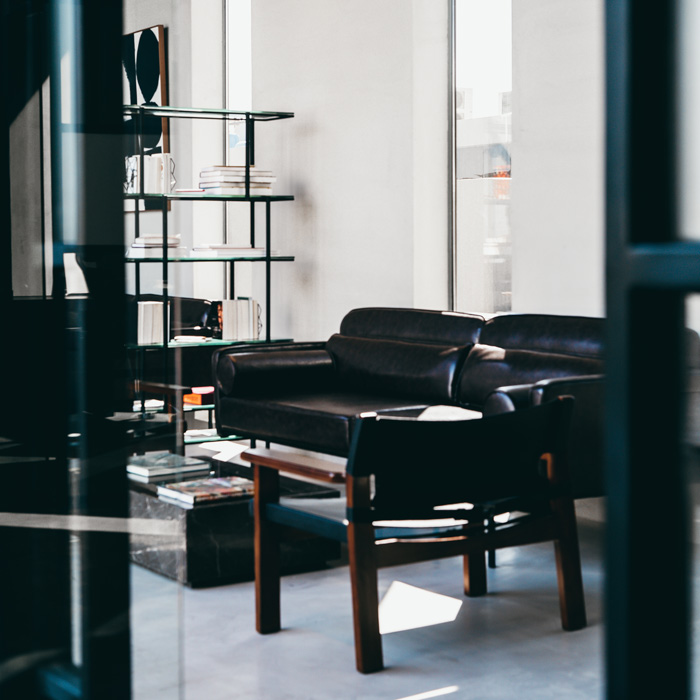
If you are looking for a ready-made, thoughtfully designed environment that supports modern work in Riyadh, R House offers a progressive coworking experience designed to help innovators, creators, leaders, and entrepreneurs evolve, collaborate, and excel.
With contemporary studios, dedicated workspaces, shared desks, private offices, and bookable project spaces, R House is built around how real work happens. Meeting rooms equipped with tech support and video conferencing, including The Boardroom, The Meeting Room, The White Room, and The Workshop, make collaboration easy and professional. Amenities such as front-of-house reception, secure high-speed Wi-Fi, printing, phone booths, shower rooms, a kitchen with healthy refreshments, a member directory and booking platform, and outdoor terrace and courtyard spaces help remove friction from the workday.
Make Office Days Worth the Commute
Create a workplace that earns attendance through quality design, seamless technology, and meaningful collaboration. Visit R House in central Riyadh and experience how a thoughtfully designed coworking space can transform your team’s performance.
Book Your Visit TodayFAQ – Designing a Workplace People Want to Come To
What makes an office worth commuting to in a hybrid model?
An office is worth commuting to when it offers clear advantages over working from home. This includes high-quality collaboration spaces, reliable meeting technology, quiet zones for focus, ergonomic comfort, and a professional environment that supports alignment, creativity, and culture-building. The key is delivering experiences employees cannot easily replicate elsewhere.
What is workplace experience and how do you improve it?
Workplace experience refers to how the office environment affects employee performance, wellbeing, and engagement. It is improved by optimizing ergonomics, acoustics, lighting, meeting room availability, technology reliability, and spatial flow. A strong workplace experience reduces friction and supports both deep work and collaboration.
Are office perks enough to bring people back?
No. Perks such as game tables or complimentary drinks may create short-term interest, but they do not compensate for poor acoustics, lack of meeting space, uncomfortable seating, or unreliable technology. Employees return consistently when the workplace improves productivity, collaboration, and daily comfort.
How do you collect employee feedback that leads to real improvements?
Effective feedback collection combines focus groups, day-in-the-life workflow mapping, and pilot space testing. The most important step is communicating outcomes clearly through a visible “you said, we did, next” process so employees see how their input translates into tangible workplace improvements.
What matters most in workspace design in Riyadh for modern teams?
In Riyadh, successful workspace design combines central location, commute convenience, high-quality meeting technology, acoustic comfort, flexible collaboration areas, and access to amenities that support long workdays. Location and experience together determine whether teams consistently choose the office.
What should I look for in meeting rooms and collaboration spaces?
Look for reliable video conferencing, strong acoustics, easy booking systems, appropriate room sizes for different meeting types, writable surfaces for collaboration, and flexible layouts that adapt to team needs. Meeting rooms should remove friction, not create technical or scheduling stress.
How do coworking memberships support team growth?
Coworking memberships support growth by offering scalable space options, professional meeting facilities, networking opportunities, and operational support without long-term lease commitments. Flexible membership models allow teams to expand, adapt, and access high-quality environments as their needs evolve.