Coworking Riyadh & Shared Offices in 2025: Day Pass, Dedicated Desk or Private Office?

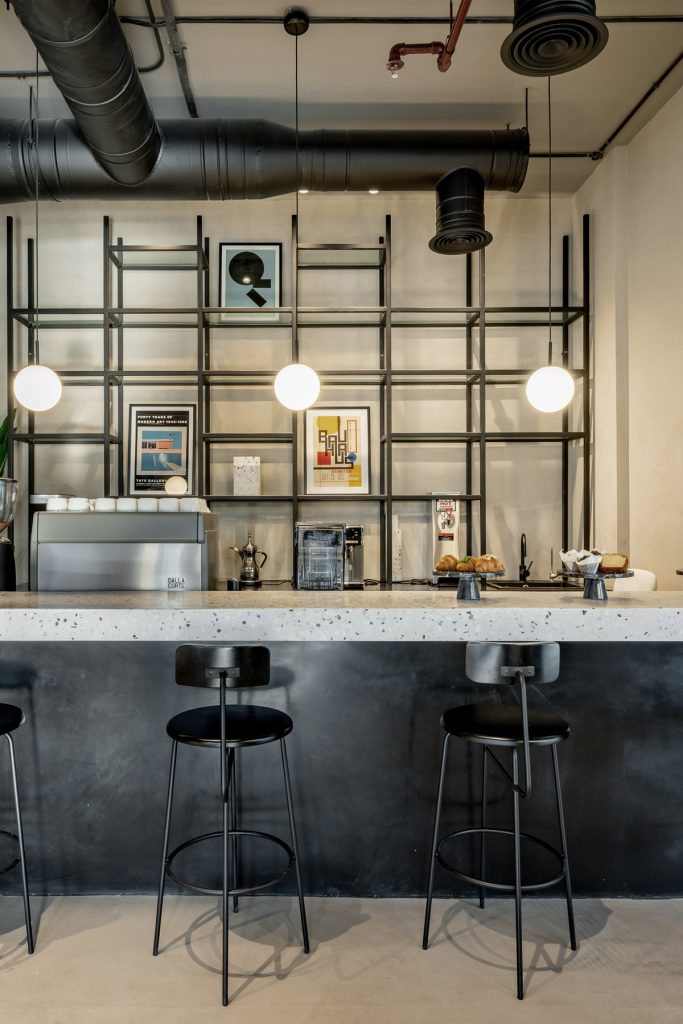
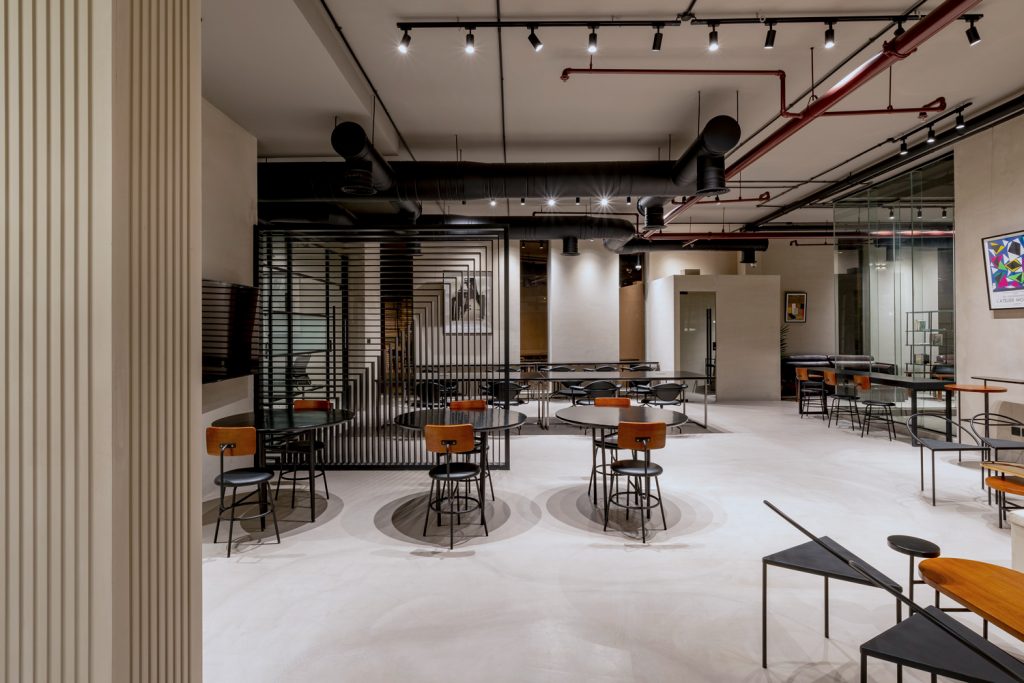
R House is a design-led coworking and shared office space in Riyadh, created for innovators, creators, leaders and entrepreneurs to evolve, collaborate and excel. It combines contemporary studios, shared workspaces and private offices with thought-provoking events, a curated community and a full set of professional amenities. In other words, it is not simply “desk rental,” but a complete work environment.
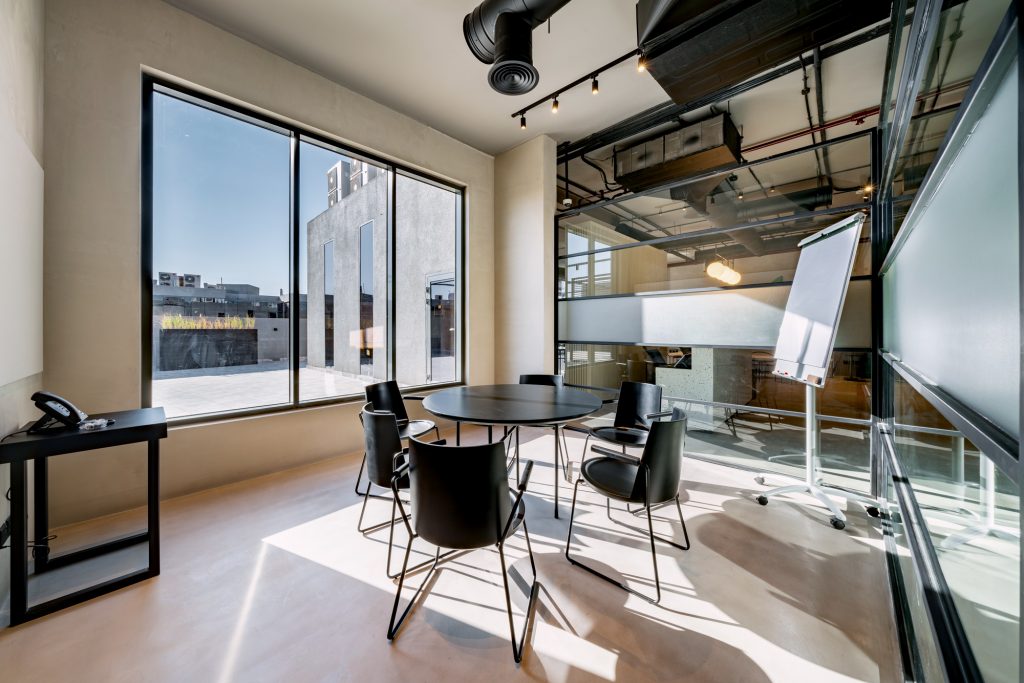
Types of flexible workspace in Riyadh: key options in 2025
To make an informed decision, it is useful to understand the three main formats you will encounter: day passes, dedicated desks and private offices.
Day pass coworking in Riyadh
A coworking day pass is the simplest form of flexible workspace access. In its classic form, it allows you to:
- Pay for a single day (or sometimes a small bundle of days).
- Use shared coworking areas during specified hours.
- Connect to the Wi-Fi, work from any available desk and occasionally access basic amenities such as coffee or tea.
For people searching “coworking Riyadh day pass,” the appeal is straightforward: minimal commitment. You can touch down in the city, work productively for a day or two and then move on without contracts, deposits or notice periods.
However, the trade-offs become clear if you rely on this model regularly:
- There is rarely a guaranteed seat. During peak times, you may not find space in your preferred area.
- Community connections tend to be weaker. If you are only there sporadically, you meet different people each time and relationships do not have time to deepen.
- You usually do not have access to the full range of benefits that members receive: event invitations, priority meeting room booking, use of the address for mail, inclusion in internal directories and so on.
In Riyadh, many operators have introduced variations of the day pass to accommodate hybrid work. Rather than selling only single days, they offer:
- Packs of a certain number of days per month.
- “Occasional use” memberships that cap access to a fixed number of days (for example, up to 10 days per month), combined with access to events and the ability to book meeting rooms.
This is the space where R House’s Transient and Nomad-style memberships sit: they provide the flexible, occasional access that day-pass users want, while still embedding them in a curated membership community.


Dedicated desks (fixed desk memberships)
A dedicated desk is the next step up in commitment and consistency. Instead of simply entering a shared area and choosing any available seat, you have a specific desk that is yours for the duration of your membership. That desk is usually located in an open coworking zone but reserved for you alone.
This format has several advantages:
- You can build routine and rhythm. Arriving at the same desk, with the same view and layout every day, removes friction from your workday and helps you get into a focused state more quickly.
- You can set up your equipment and leave it in place. Multiple monitors, document scanners, specialist peripherals and personal touches can all stay on the desk, instead of being carried back and forth.
- You often have access to storage. Lockers or small cabinets allow you to keep reference materials, documents or hardware on site.
- You remain in the heart of the community. A dedicated desk typically sits within an open-plan area, so you still enjoy the energy, conversations and informal networking that make coworking valuable.
For freelancers, consultants and creators, this is an ideal middle ground. It also works extremely well for roles that benefit from stable setups and continuous monitoring, such as dispatchers or fleet controllers in logistics and trucking. Someone coordinating routes, drivers and shipments across multiple time zones can run their entire operation from a dedicated desk with two or three screens, reliable internet and access to private phone booths when needed.


Private offices and studios
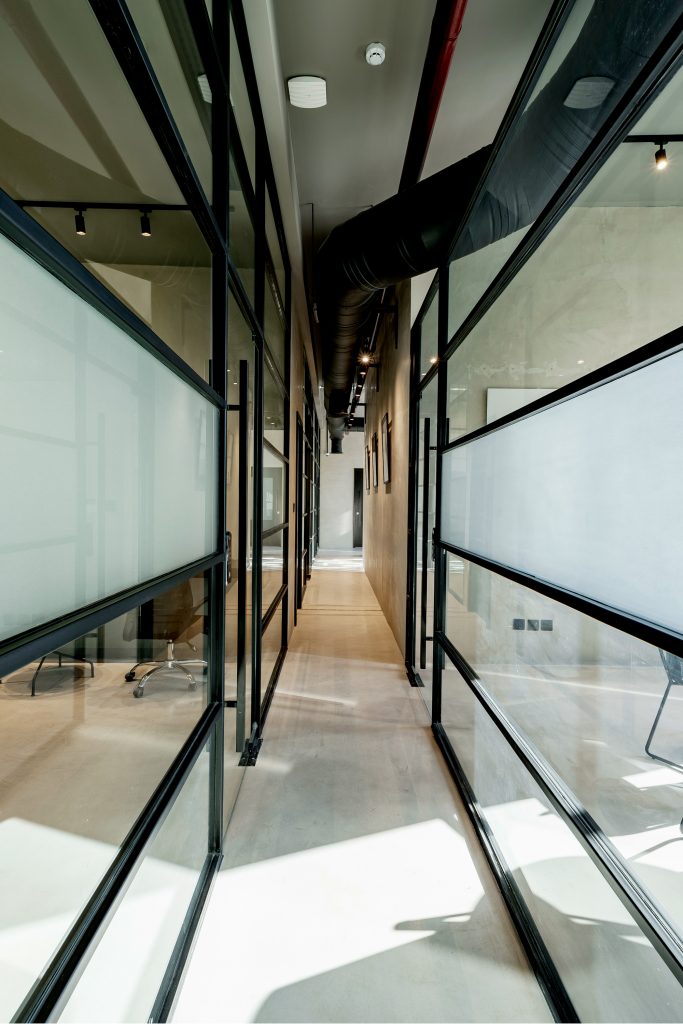
A private office (or studio, in R House’s language) is an enclosed space reserved exclusively for you and your team. These can range from compact one-person rooms to larger suites that accommodate six or more people, depending on availability.
Private offices introduce a qualitatively different experience compared to shared desks:
- Privacy and confidentiality are higher. You can hold sensitive conversations, strategy sessions or performance reviews behind a closed door, without worrying about being overheard.
- Brand and team identity become more tangible. Even within a shared building, you can personalise your private office with your company’s branding elements, workflow boards or product samples.
- Focus is easier to control. You decide how noisy or quiet the room is, when doors are open, how the furniture is arranged and which tools are visible.
- Security and compliance are easier to manage. For sectors like fintech, legal services or logistics operations centers, handling contracts, personal data or regulated information inside a controlled room rather than an open area can be a requirement rather than a preference.
In a city like Riyadh, private offices within a coworking environment also resolve a classic tension: the need for a serious, impressive space for clients and partners, without tying yourself to a traditional lease. For example:
- A logistics or trucking company opening a small Riyadh presence can run dispatch, partner meetings and contract negotiations from a Resident office at R House, benefiting from reception, meeting rooms and parking without managing a whole building.
- A growing startup can start with a smaller private studio and, as hiring accelerates, move to a larger office or multiple studios within the same ecosystem.
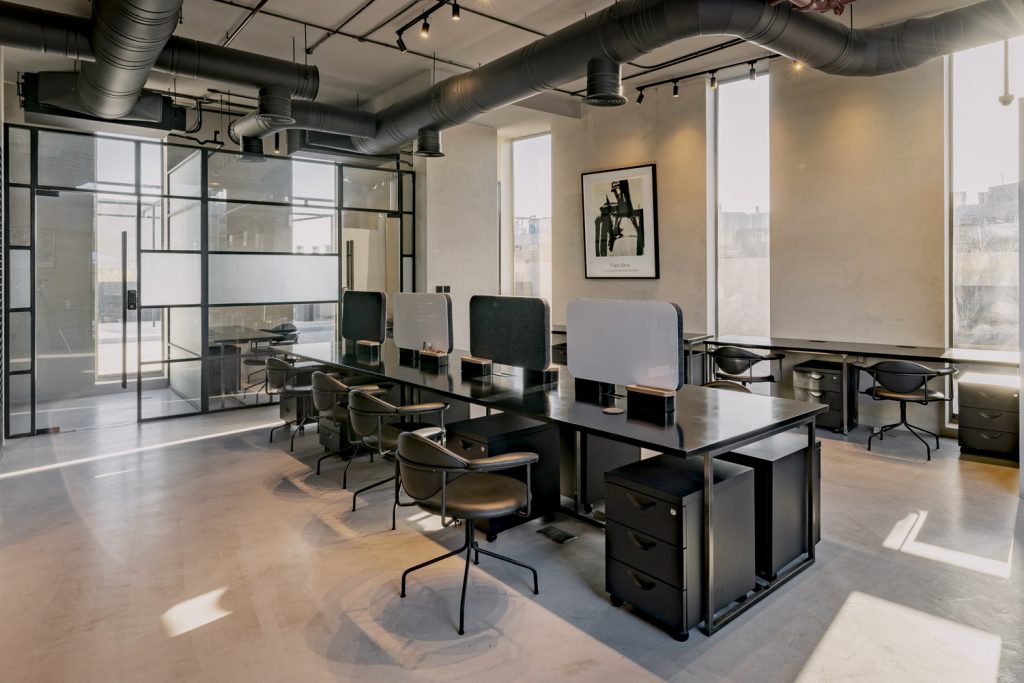
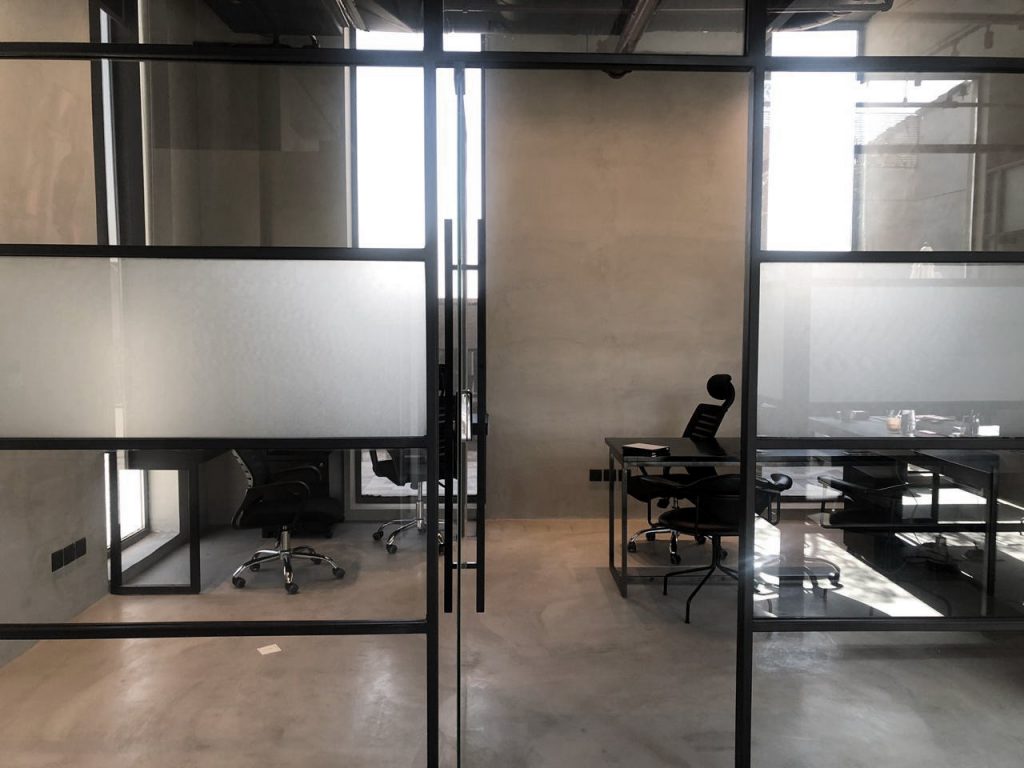

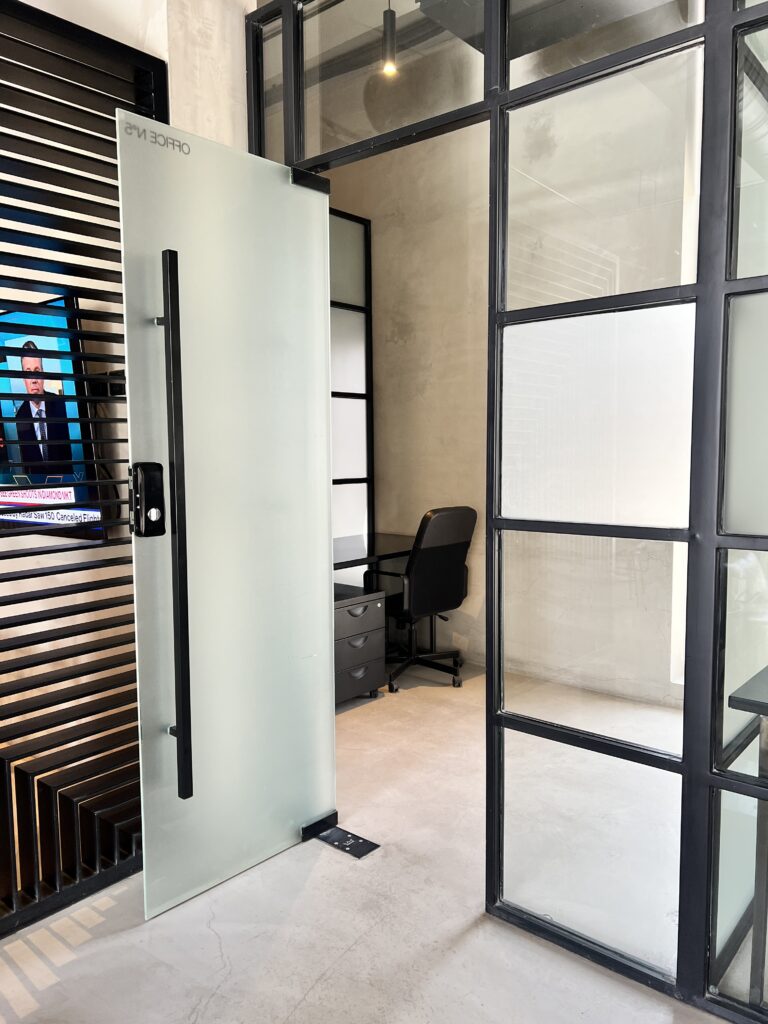


Day pass vs dedicated desk vs private office: which model fits you in 2025?
When a day-pass style solution makes sense
A day-pass approach (or a limited-use monthly membership) is ideal for people who need short bursts of professional workspace without a long-term commitment.
It works best for:
- Travelers and expats visiting Riyadh for a few days or weeks at a time.
- Remote employees who primarily work from home but occasionally need a quiet, professional setup.
- Specialists who operate in peaks, such as brokers or consultants who only need an office for key meeting days.
The pros are straightforward:
- Low commitment – you only pay for access when you need it.
- Predictable budgeting per day – ideal if your schedule changes week to week.
But the downsides matter if you plan to work regularly:
- No continuity – it is difficult to build work habits or a presence in a space.
- Weaker community ties – networking becomes a matter of luck.
- Limited perks – amenities and membership benefits often stay reserved for full members.
When a dedicated desk is the right middle ground
A dedicated desk is best when you are regularly in Riyadh but do not require a separate private room. You want to know exactly where you will sit, which screen setup will greet you, and which colleagues you will run into. You also want stability, without paying for square meters you seldom use.
This model suits:
- Solo founders who are building their company but are not yet hiring a local team.
- Consultants and creatives who need consistent tools or storage on site.
- Remote employees who want a professional base, not just a laptop on the kitchen table.
Its advantages are clear:
- Habit-building – routines become easier.
- A reliable spot – you never compete for seating.
- Storage and personal setup – equipment stays ready.
- Community immersion – you participate in the pulse of the coworking floor.
Its drawbacks are equally practical:
- Less privacy than a private office, especially for sensitive work.
- Not ideal for larger teams, especially if they need to talk constantly or handle secured documents.
When to choose a private office / Resident membership
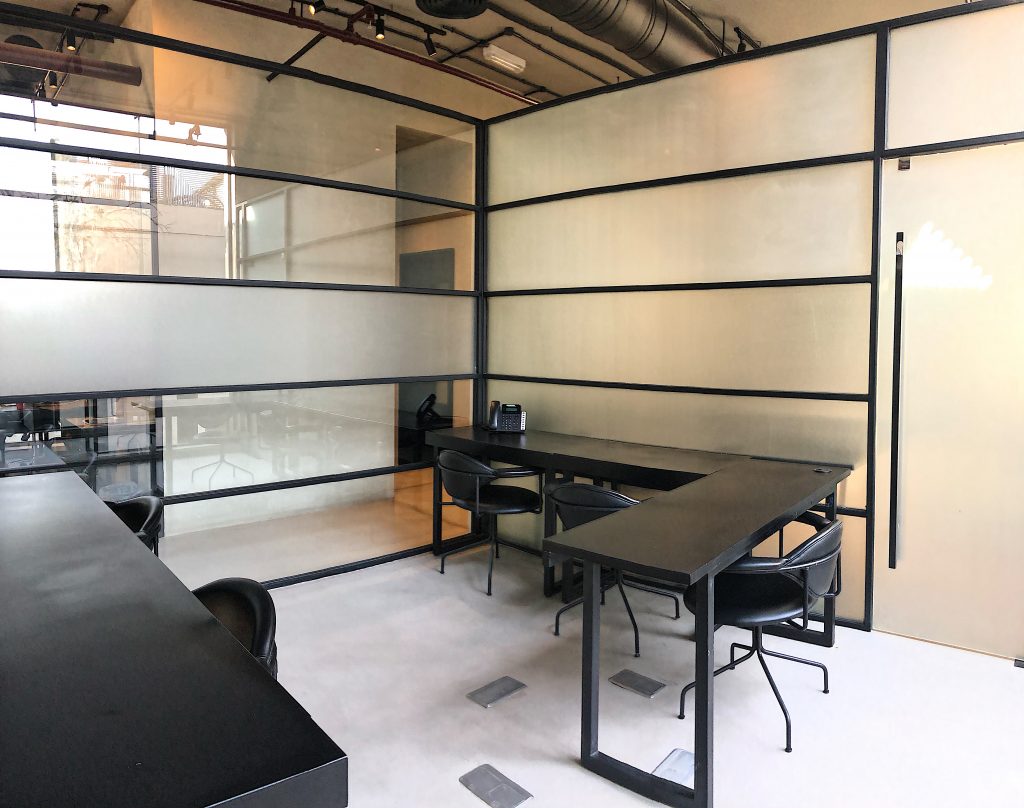
A private office is not about needing space; it is about needing control. You choose this model when your work, team or brand cannot operate optimally in shared space.
It is ideal for:
- Founders hiring their first Riyadh-based team, wanting cohesion and privacy.
- Sensitive operational roles in finance, health or regulated logistics/trucking (where NDAs, compliance or dispatch require secure handling).
- Client-facing businesses who need a polished, controlled environment for meetings.
Its advantages speak directly to these needs:
- Privacy and confidentiality – conversations and documents stay inside the room.
- Team cohesion – your group can talk freely without disturbing others.
- Status and client perception – meetings occur in a branded, controlled space.
- Reliable infrastructure for long calls and board meetings – essential for negotiations and investor conversations.
There are reasonable trade-offs:
- Higher cost than shared desks.
- Longer notice periods, because space is held for you as a unit.
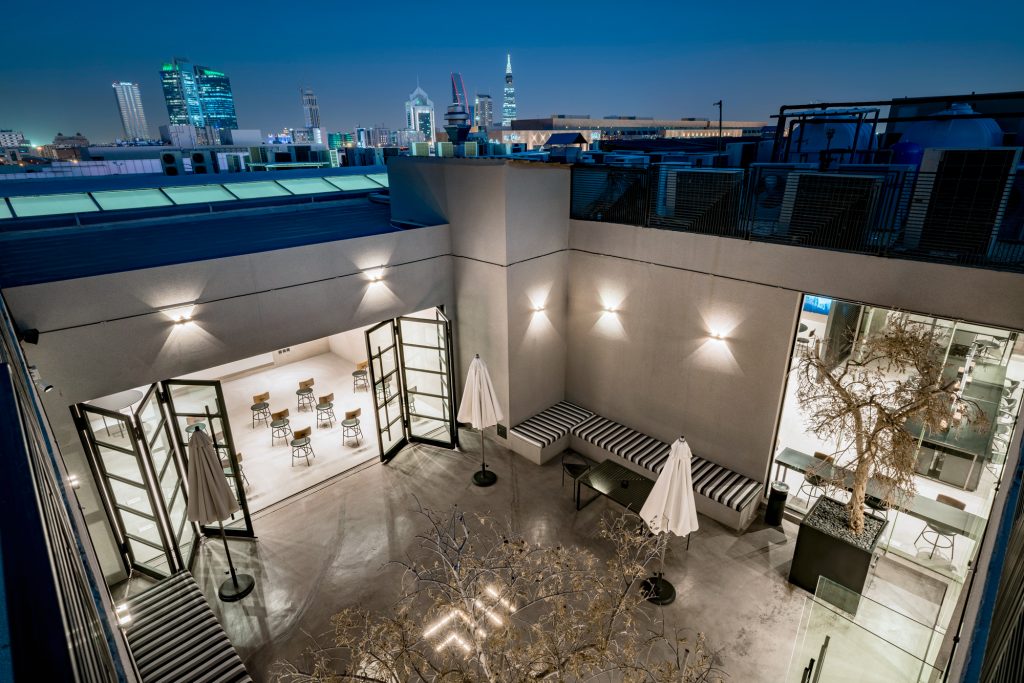
Practicalities: how R House memberships work (access, guests, printing, mail)
Once you understand which membership type suits your work style, the next step is knowing how R House operates on a daily basis. The following details clarify how access, guests, rooms and everyday services function in practice.
| Category | What’s included |
|---|---|
| Access hours | Workspace entry according to membership |
| Guests & meeting rooms | Hosted collaboration and private space booking |
| Printing, storage & IT | Business-grade facilities without hardware management |
| Mail services & identity | Office-ready presence in Riyadh |
| Food, coffee & parking | Everyday comfort built into the workday |
Day Pass, Dedicated Desk or Private Office?
Not sure which workspace model suits your workflow? Test a Day Pass, secure your own desk every day, or move into a private office for complete focus. R House makes it easy to choose a workspace that grows with you.
Compare Options with Our Team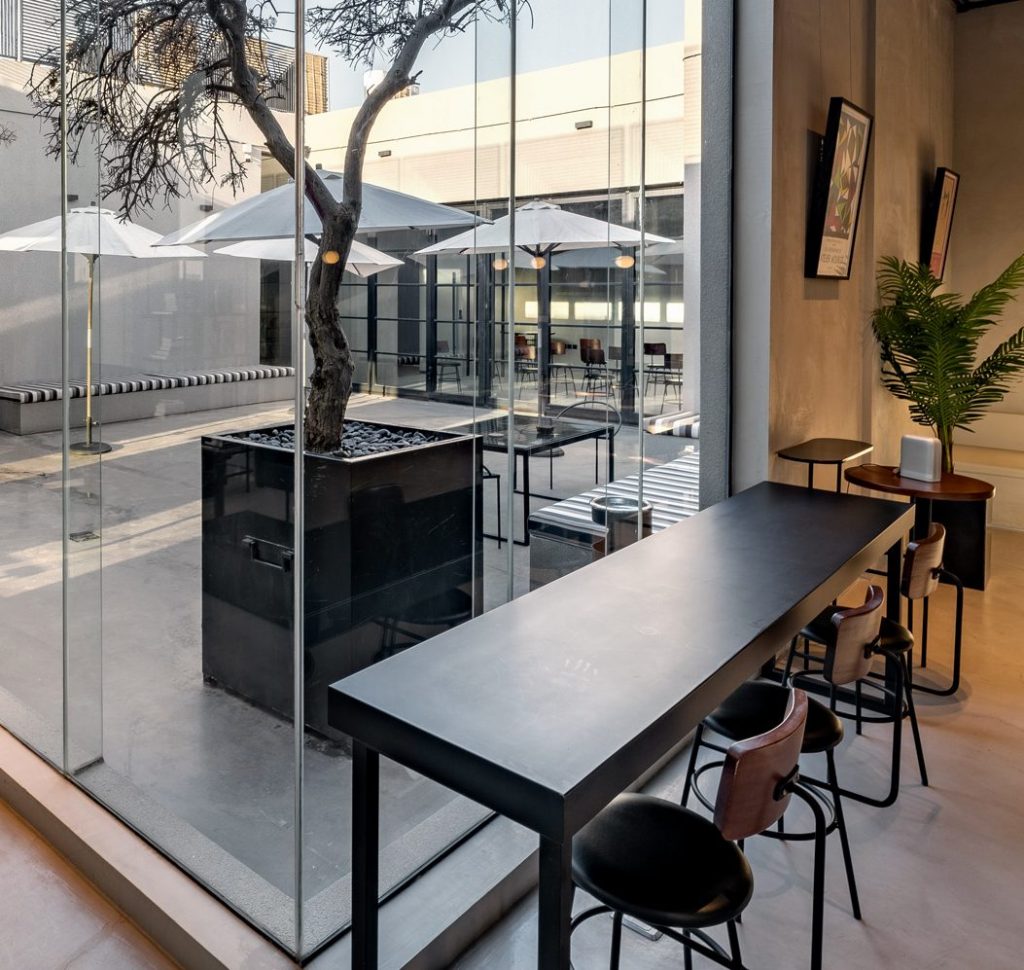
FAQ – Coworking at R House Riyadh
Where is R House located in Riyadh and how easy is it to reach?
R House is located in Tafaseel Center, Al Mathar Al Shamali. It is easily accessible by car, with nearby cafés, hotels and on-site parking.
What are the opening hours and access times for each membership type?
Residents have 24/7 access. Other memberships follow office hours (Sunday–Thursday), with extended evening access depending on the tier.
Can I use R House as my business address and receive mail or packages?
Yes. Members can register their business address at R House and receive mail, which is stored securely until collected.
How many guests can I bring and what is the guest policy?
Members may bring guests for short meetings during access hours. Guests must sign in and cannot stay without the member present.
How do meeting room bookings work and what if I need more hours?
Rooms are booked through the app or website. Some memberships include hours; additional time is billed on your next invoice.
Do you provide printing, storage and secure Wi-Fi for members?
Yes. Members receive secure Wi-Fi, printing options and storage depending on their membership type, with extra services available on request.
Do you offer private studios and space for larger teams?
Private studios are available for individuals and small teams. Larger setups may be arranged depending on availability and growth needs.
Can I freeze or pause my membership if I am away for a period of time?
No, R House does not pause memberships, but members can switch tiers if their needs change.
What is the minimum commitment and how do I cancel my membership?
The minimum commitment is three months. Notice periods vary by membership tier and require written cancellation.
Do you offer day passes or discounts for upfront annual payment?
There are no day passes, but flexible memberships cover limited use. Annual upfront payments may receive a discount.