Flexible Office Solutions in Riyadh: From Hot Desks to Private Studios
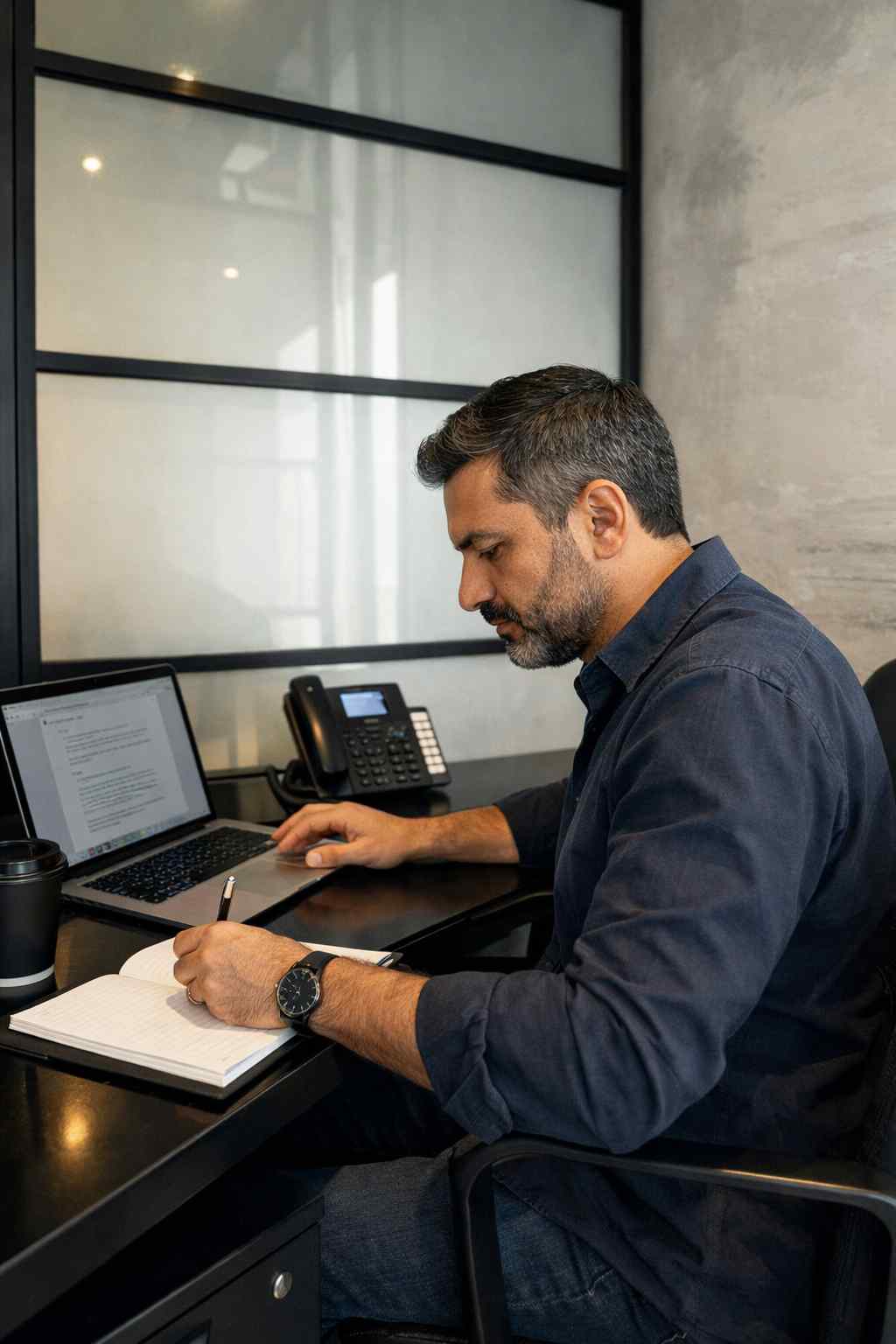
Choosing a workspace in Riyadh should be simple. You want a place where you can work consistently, meet people professionally, and scale up or down without friction. Yet for many professionals and teams, the search becomes confusing fast, because the word “flexible” is used to describe everything from a casual seat in a shared lounge to a fully private office with 24/7 access and bookable meeting rooms.
Compare flexible office plans in Riyadh
From hot desks to private studios, R House gives you the freedom to choose a workspace that fits how you actually work. Explore Resident, Nomad and shared office memberships designed for growing teams and independent professionals.
Compare membership plansThe spectrum of workspace options (from open to private)
If you are comparing flexible office solutions in Riyadh, it helps to stop thinking in terms of “coworking vs office” and start thinking in terms of a spectrum. Most modern professionals do not have one single work mode. They have several, and those modes change depending on the day.
One day you need quiet concentration. Another day you need to host a client. Another day you need to run a workshop, record content, or collaborate with a small team. The best flexible workspace choice is the one that supports your most frequent work mode while still giving you easy access to the others.
Hot desks and flexible desk access
Flexible desk access is the lightest, most adaptable end of the spectrum. It is built around the idea that you do not need the same seat every day. You need a reliable environment you can enter, sit down, and begin working immediately.
This option tends to work well when your priority is access, not ownership. You are paying for the ability to work in a professional setting without committing to a fixed private space.
Best for: variety, mobility, budget-conscious flexibility
Flexible desk access is usually a strong match if you recognize yourself in one or more of these patterns:
- You work across multiple locations and only need a professional base in Riyadh on certain days.
- Your schedule is unpredictable and you do not want a long commitment to a specific seat or office.
- You are cost-conscious but still want the advantages of a professional workspace: stable Wi-Fi, a productive atmosphere, and access to shared amenities.
- You want to be around other professionals and benefit from ambient energy and community without needing private space every day.
In environments like R House, flexible desk access is also tied to access hours. For example, the Nomad Extended membership is designed for individuals who want a flexible desk space and provides access during office hours, 9 AM to 8 PM. This is a good fit for people whose workday is naturally aligned with those hours and who want the simplicity of a structured daily window.
Tradeoffs: less privacy, limited personalization
The main tradeoff is that flexible desk access is designed for general productivity, not specialized needs.
You will likely experience limitations in two practical areas:
Privacy limitations
- If you take frequent calls, manage confidential information, or do work that requires silence, you will need to rely on phone booths or bookable rooms.
- You may feel constrained when you need to have longer conversations or sensitive meetings, because shared areas require a higher level of noise awareness.
Insight: Bookable rooms outperform private offices for many teams
Many professionals assume that a private office is the ultimate goal, but in practice, access to well-equipped meeting rooms and project spaces often delivers more value. Teams typically spend only part of their day in deep solo work. The highest-impact moments are client meetings, workshops, interviews, and strategy sessions. Spaces like The Boardroom, The White Room, and The Workshop Room at R House allow members to switch into high-stakes collaboration mode without paying for unused private space all day. For many businesses, investing in room access rather than permanent square meters leads to higher productivity and lower monthly costs.
Limited personalization
- You cannot leave your setup in place. Each work session starts from zero.
- If your productivity depends on physical tools, multiple screens, or a consistent physical workflow, you may feel friction.
- Storage is typically not part of flexible desk access unless explicitly included, so you may need to carry your equipment daily.
The important point is not that these are “bad” limitations. It is that they are expected. Flexible desk access is built for speed and convenience, not for creating a private headquarters.
Shared desks with stronger structure
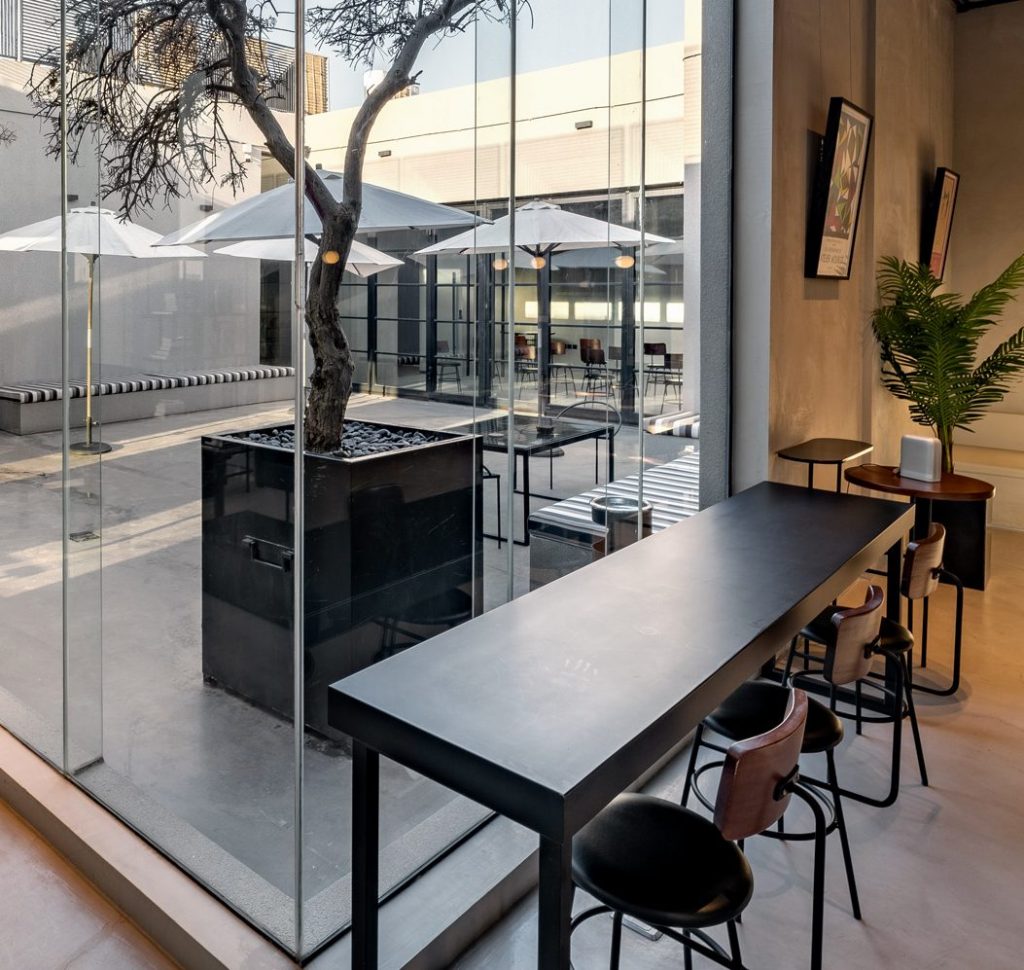
Shared desks with stronger structure sit in the middle of the spectrum. They retain the social and flexible advantages of coworking, but they are usually designed to make the workday feel more stable and repeatable.
This type of option is ideal for people who want a professional setting that supports focus and routine, but who are not ready for a private office or studio space.
Best for: routine, comfort, consistency without full private space
Shared desk environments tend to work best when you want your workspace to feel predictable, even if your seat is not “owned” in the traditional sense.
This option is particularly useful if:
- You are at your best when you can build a daily rhythm: arrive, work, take a break, and continue without constantly adapting to new environments.
- You want the credibility of working in a professional space but do not need full privacy every day.
- You want to be around other professionals, but you also want a setting that supports real work rather than casual hanging out.
In R House terms, the concept aligns with access to shared work and social spaces that are intentionally designed for modern professionals to focus on what matters most, while still being part of a broader community and environment.
Ideal when you want a place to show up and focus
A useful way to decide if this option fits is to ask yourself one question: Do I need a private space, or do I need a professional space that makes focus easier?
If the answer is the second one, shared desks with stronger structure are often the most efficient choice. They provide a clean, reliable alternative to working from home or from cafés, but avoid the higher cost and higher commitment that often comes with private rooms.
A practical indicator: if your meetings can be handled through occasional bookings in meeting rooms, and the rest of your day is mostly desk work, then structured shared access plus room booking can outperform a private office in both cost and usability.
Private offices and private studios
Private offices and private studios represent the most controlled end of flexible workspaces, while still keeping the advantages of a membership environment: shared amenities, community events, and bookable rooms.
This is the option for professionals and teams who need their workspace to function as a stable base, not just as a place to occasionally work.
Best for: deep work, calls, client confidentiality, team rhythm
Private space becomes the right decision when your work repeatedly demands control over sound, interruptions, and confidentiality.
This is common in situations such as:
- You have frequent calls and you cannot constantly move between phone booths and bookable rooms.
- You meet clients and need a setting that feels private, stable, and professional.
- You work with confidential information that should not be handled in open areas.
- You are building a team rhythm and need a consistent place where the team can collaborate without fighting the limitations of shared space.
At R House, the Resident Membership is designed specifically for individuals and teams requiring private space. The key point is that the private space is not only a desk in a room. It is positioned as a space that can function as an office or a studio, with 24/7 access and the ability to book additional spaces such as studios, meeting rooms, and event spaces (subject to availability).
Studio angle: private space as office or studio depending on your work
In modern coworking, “studio” is not a decorative word. It reflects a shift in how many professionals work.
A private studio-style space can support:
- Client-facing work that needs privacy and calm
- Creative planning and production workflows
- Project-based work where you need surfaces, space, or a controlled environment
- Small-team sessions that require a “closed loop” working atmosphere
This is particularly valuable for creators, agencies, and brands. Instead of renting a separate studio venue when you need production capability, a studio-ready private space can reduce friction and keep the project workflow concentrated in one environment.
Bookable rooms for meetings, workshops, and project work
Bookable space is often the least understood part of flexible office solutions in Riyadh, and it is frequently what determines whether a membership feels effortless or frustrating.
A desk is where your day begins. Bookable rooms are where your important work happens.
Why bookable space is the hidden multiplier of flexible memberships
The “hidden multiplier” effect comes from one simple reality: meetings, workshops, and project sessions are higher stakes than regular desk work.
A flexible workspace becomes dramatically more valuable when it provides bookable rooms that are:
- Sized appropriately for the way you meet (small rooms and larger workshop environments)
- Equipped with essential conferencing technology and video conferencing support
- Supported by a clear booking system so availability is transparent and predictable
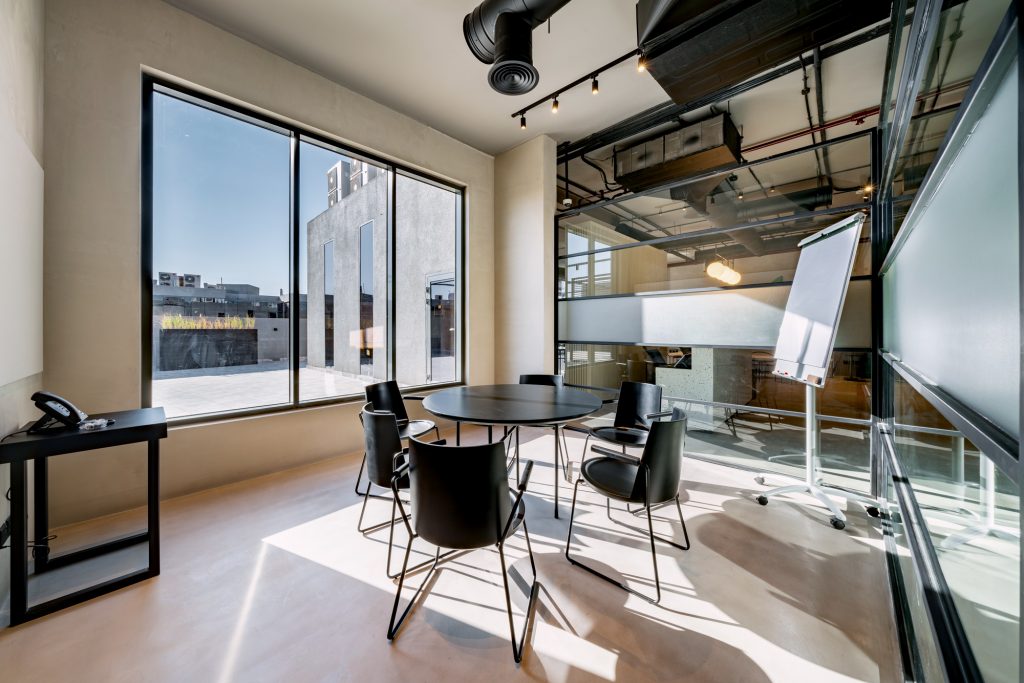
R House offers private meeting rooms that can seat from six up to 20 people and provides state-of-the-art tech support and video conferencing. It also offers private, bookable, art studio-style project space. This mix is what turns a coworking environment into a full operating platform rather than a simple place to sit.
Bookable spaces also solve practical challenges that many people do not anticipate:
- You can host serious client meetings without needing to “find a place” each time.
- You can run workshops and presentations without improvising seating and technology.
- You can keep your workday within one environment, which reduces time loss and schedule disruption.
When to prioritize room access over desk type
Many people choose a membership based on desk access and only later realize that room access is the real constraint.
Prioritize room access over desk type when:
- Your work includes recurring meetings with clients, partners, or internal teams.
- You regularly need video conferencing in a controlled environment.
- You facilitate workshops, training sessions, or group planning meetings.
- Your work involves creative production where a flexible studio-like room is essential.
- Your “most important day of the month” requires a professional room more than it requires a specific desk.
A practical rule: if you would be willing to compromise on where you sit, but not on the quality and reliability of your meetings, then room access should be your primary selection criterion.
Insight: Workspace flexibility is a growth strategy
In fast-moving markets like Riyadh, flexible office solutions are not just about convenience. They are a strategic tool for controlling risk and accelerating growth. Startups and creative teams often change size, structure, and revenue patterns multiple times within a single year. Locking into a traditional office too early can trap a company with unused space or force a disruptive move when expansion happens. A membership-based workspace such as R House allows businesses to scale up from shared desks to private studios without relocating, protecting both cash flow and operational continuity.
Who flexible workspaces serve best and why
Flexible office solutions in Riyadh are not only for one category of professionals. The strongest coworking environments are built around the reality that different people need different combinations of privacy, community, and infrastructure. The best way to choose the right option is to first understand which category your work fits most often, and where it shifts.
| Work profile | Main needs | Best-fit workspace model | Why it works |
|---|---|---|---|
| Solo professionals and founders | Quiet calls, client meetings, professional base, mail and printing | Shared desks or private studio with meeting room access | Provides a reliable daily setup, professional credibility for clients, and flexible room booking without the cost of a full private office. |
| Startups and small teams | Team privacy, collaboration, scalability, predictable monthly costs | Private office or studio combined with shared spaces | Teams can grow or shrink without relocating while using shared areas for informal planning and private rooms for focused collaboration. |
| Creators, agencies, and brands | Studio-like rooms, workshops, content production, creative reviews | Private studio plus access to White Room and Workshop Room | Supports both administrative work and creative output in one location without renting external studios for each project. |
| Corporate teams in hybrid mode | Professional meeting rooms, video conferencing, short-notice planning | Flexible access with strong meeting room and workshop booking | Teams can gather quickly for high-stakes sessions without maintaining a full-time office they only use occasionally. |
See how flexible work looks in real life
Visit R House in central Riyadh and explore shared desks, private studios, meeting rooms and creative spaces designed for modern work. A guided tour helps you choose the right setup before you commit.
Schedule a tourMeeting rooms, project spaces, and private studios (how they’re used)
Meeting rooms and project spaces are often where the real value of flexible office solutions in Riyadh becomes visible. They allow you to operate professionally without renting separate venues, without improvising technology, and without disrupting your workflow.
R House describes a set of rooms designed for different meeting formats, with tech support and video conferencing, and bookable access for members during their access hours.
Capacity range and what that enables
R House meeting rooms and project spaces are described as seating from six up to 20 people, with policy language also referencing capacity up to 24 people. The practical takeaway is that the environment supports multiple meeting scales, from small internal sessions to larger workshops.
This range enables:
- Small day-to-day meetings that require quiet and focus
- Formal client meetings where the environment signals credibility
- Workshops and group sessions where collaboration is structured
- Creative and project-based sessions that require flexible space rather than a traditional meeting table
The presence of state-of-the-art tech support and video conferencing reduces common friction points, especially for hybrid meetings where some attendees join remotely.
The Boardroom (formal meetings)
The Boardroom is designed for more formal, sit-down meetings of up to eight people and is fitted with essential conferencing technology.
This room is ideal when:
- You need a structured environment for decision-making meetings
- You are hosting clients or stakeholders and want a polished setting
- You are running presentations or negotiations where the tone should be formal and focused
The Meeting Room (day-to-day syncs)
The Meeting Room seats up to six people and includes essential conferencing technology, making it a practical default for regular work sessions.
This room is a strong fit for:
- Weekly team check-ins
- Interviews and hiring conversations
- Client updates where confidentiality and clarity matter
- Internal planning sessions that require a quiet, contained setting
Because it is sized for smaller groups, it tends to match the most common meeting format in modern teams: small groups with high frequency.
The White Room (creative “blank canvas” space)
The White Room is described as an open, art-style studio space inspired by the artist’s blank canvas and can be used for photoshoots, screenings, and more.
This is a key feature for creators, agencies, and brand teams, because it supports work that does not fit into a traditional meeting room structure.
Practical use cases include:
- Photoshoots and content production sessions where a neutral studio environment helps
- Screenings and review sessions for video or campaign assets
- Creative workshops where you want an open feel rather than a boardroom format
- Project sessions where space flexibility matters more than a fixed table layout
The Workshop Room (largest private space)
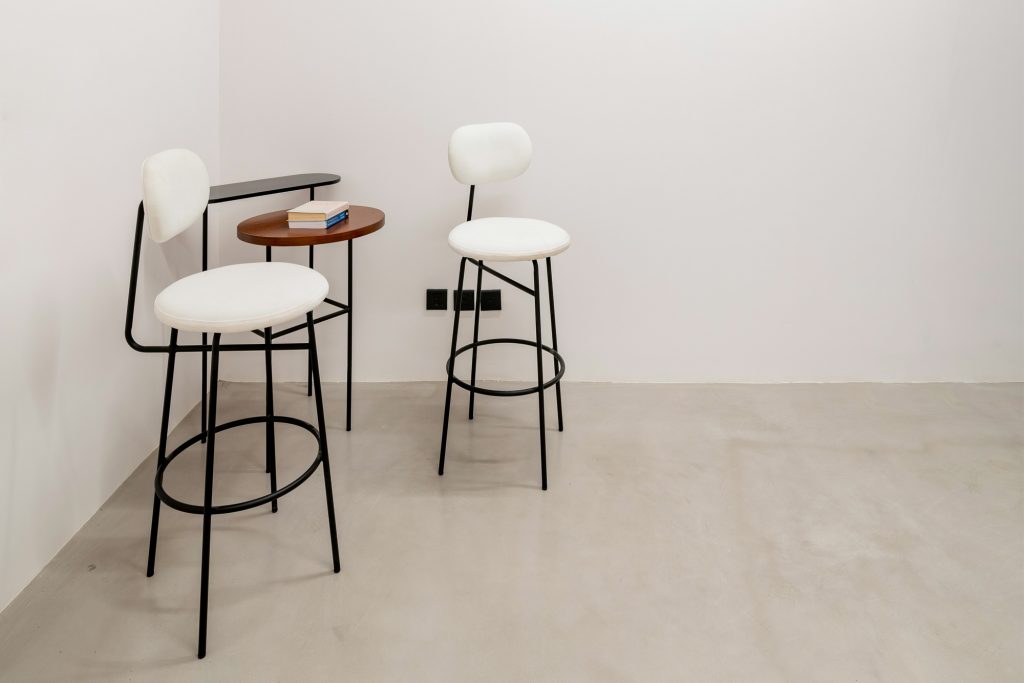
The Workshop is described as the largest private space and provides an environment for workshops and larger group meetings of up to 20 people.
This room is designed for sessions such as:
- Team training and onboarding
- Strategy workshops and facilitated planning sessions
- Larger presentations and stakeholder alignment meetings
- Community events, seminars, and group collaboration formats
For many teams, a workshop-capable room is the difference between “we can meet” and “we can actually align and execute.”
Booking rules that matter in real life
Even a well-designed room is only useful if booking is predictable and operationally clear. The R House policies provide several rules that matter day-to-day:
Bookable during membership access hours
- Members can book rooms during the hours their membership allows, which is a critical detail if you plan meetings early or late.
Subject to availability
- Bookings depend on availability, which is why planning ahead matters for higher-stakes sessions.
Cancellation window
- Bookings can be cancelled via the website or app up to 24 hours prior to the reservation.
A practical implication: if your work depends heavily on rooms for client meetings or workshops, you should choose a membership tier and routine that aligns with your access hours, and you should adopt a habit of booking important sessions early to reduce availability risk.
Build your business from the right workspace
Whether you need a private office, a creative studio or a flexible desk, R House provides a professional environment that scales with your business and supports focus, collaboration and growth.
Find your ideal workspaceFAQ – Flexible Office Solutions in Riyadh
What are flexible office solutions in Riyadh?
Flexible office solutions refer to workspaces that allow professionals and teams to choose between shared desks, private offices, studios, and bookable meeting rooms without long-term leases. They provide adaptability in space, access hours, and usage based on real work needs.
What is the difference between a hot desk and a private office?
A hot desk provides flexible seating in a shared workspace without a fixed location, while a private office or studio gives individuals or teams a dedicated, enclosed space for focused work, calls, and confidential meetings.
Do R House members have access to meeting rooms?
Yes. All R House members can book meeting rooms and project spaces with conferencing technology. Resident and Collaborator members receive monthly included hours, while Nomad and Transient members can purchase hours through the booking system.
Can I host clients and guests at R House?
Yes. Guests are welcome for informal meetings for up to two hours during your access hours. Guests must sign in at reception and you must be present. Meetings booked in rooms can host guests for the full duration of the booking.
Do I need 24/7 access to use a coworking space?
Not necessarily. Professionals who work standard business hours often find office-hour access sufficient, while teams with international clients, creative schedules, or long workdays benefit from 24/7 access through Resident memberships.
Can I receive mail and use R House as my business address?
Yes. All members can receive mail and use R House as their business address. You will be notified when packages arrive, and items are securely stored for up to 30 days.
What happens if I exceed my meeting room or printing allowance?
You can continue using meeting rooms and printing services beyond your included allowance. Any additional usage is simply added to your next invoice based on your membership rates.
Is there a minimum commitment when joining R House?
Yes. All memberships have a three-month minimum commitment. After that period, cancellation notice depends on the membership tier, ranging from 30 to 90 days.
Can I try R House before becoming a member?
R House does not offer day passes for non-members. Interested professionals can apply to schedule a tour to explore the space, memberships, and availability before joining.